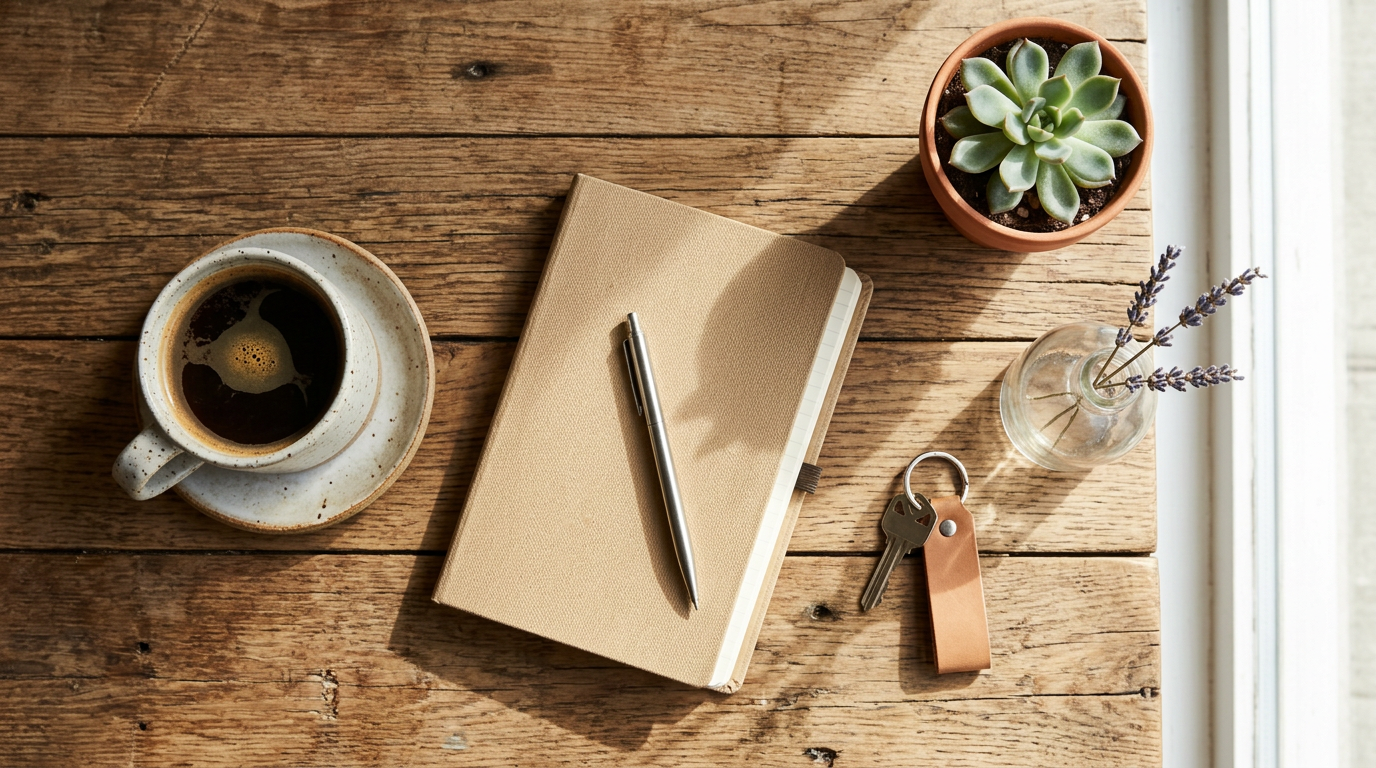
Denver cafés that beat the coworking lobby
At 9:10 on a Denver Tuesday, the useful room is not always behind a keycard. It is the long table near the outlets, the corner where two product managers are quietly arguing over a roadmap, the patio where a fractional CFO is taking a walking call between espresso and lunch.
That is the appeal of Denver coworking cafés in 2026. The city has plenty of formal coworking: WeWork, Industrious, Spaces, Shift Workspaces, and a rotating cast of boutique offices. They have their place. But a lot of remote workers, founders, consultants, and creators are done with lobby check-ins, fishbowl phone booths, and the weird social dead zone of a half-full flex office.
Denver works better when the room has public energy. Coffee in the morning. Laptops without shame. A little founder density. A path to a real conversation that does not require wearing a badge.
The trick is not finding a café with Wi-Fi. The trick is choosing the right kind of room for the work you actually need to do, behaving like a regular instead of a squatter, and leaving with one new weak tie instead of just a fully charged laptop.
The Denver room you are actually looking for
Denver’s remote-work culture is practical. People start early, break for a run or ride, and treat happy hour as a legitimate networking window. The city has a strong operator class: SaaS people, climate and energy folks, real estate operators, outdoor industry marketers, agency owners, freelance designers, wellness founders, and the occasional coastal transplant still saying the quiet part out loud about rent.
The right coworking café has three things:
- A clear laptop zone. Long communal tables, counter seating, or two-tops that are not needed for lunch turnover.
- A second-use daypart. Coffee that becomes beer, wine, dinner, or events later. That transition creates natural conversation.
- A neighborhood reason to be there. RiNo for startups and creative teams, LoDo for downtown meetings, Capitol Hill for freelancers and policy-adjacent people, Baker and South Broadway for indie operators, Cherry Creek for consultants and client-facing work.
A lobby-style coworking space optimizes for access. A good Denver café optimizes for ambient awareness: you start to know who is around, what people are building, and when to say hello without forcing it.
That matters. Granovetter’s idea of weak ties is still the cleanest explanation for why these rooms work. Your next client, hire, investor intro, or collaborator is usually not your closest friend. It is the person you have seen three Tuesdays in a row who finally asks what you are working on.
What to order / what to look for
!Remote workers sharing a communal table in a Denver coffee shop

Do not judge a work café by latte art alone. Third-wave coffee is mature in Denver now; a good single-origin pour-over or espresso program is table stakes in many neighborhoods. What matters for remote work is the operating system of the room.
Look for:
- Stable seating, not decorative seating. If the chairs look designed for a 22-minute cortado, do not plan a four-hour build session.
- Visible outlets, but not outlet dependency. Bring a charged laptop. The best seats are often claimed by people who do not need to plug in immediately.
- A staff rhythm that tolerates laptops. If every table is being reset for food service, read the room and move on.
- Noise with texture. A steady café hum is good. Blenders, echoing tile, and constant door traffic are bad for calls.
- A menu beyond coffee. Tea, sparkling water, breakfast, sandwiches, natural wine, or beer buys you more time without nursing one drink.
Order like a person who understands the deal:
- Morning focus block: espresso, drip coffee, or a single-origin pour-over if the bar is not slammed.
- Longer work session: coffee plus food, then a second drink later.
- Afternoon networking: iced coffee, tea, or a low-ABV beer if the place shifts into evening mode.
- Client-adjacent meeting: avoid messy food, loud grinders, and tiny tables.
Specific Denver names worth knowing: Huckleberry Roasters has real local credibility and a serious coffee program. Little Owl Coffee works well for downtown meetings when you need polish without a corporate lobby. Novo Coffee is a known Denver roaster with locations that can fit short work blocks. Crema Coffee House in RiNo has long been part of the creative-worker circuit. Corvus Coffee is a reliable third-wave name when you want quality and a more intentional coffee experience.
For longer laptop sessions, also look at café-bar hybrids and large-format hangouts rather than tiny espresso bars. Improper City in RiNo is the obvious example: coffee, drinks, outdoor space, events, and enough social surface area to make chance conversations possible. It is not the quietest room. That is the point.
Best time of day to go
Denver rewards early people. If you want a proper seat, arrive before the second wave.
7:30 to 9:30 a.m. is for deep work. You get outlets, clean tables, and fewer social interruptions. This is when to write, build, reconcile books, prep a pitch, or do the work you keep pretending you will do later.
9:30 to 11:30 a.m. is the best overlap window. Enough people have arrived to create energy, but lunch has not taken over. This is the strongest window for casual intros with other remote workers.
11:30 a.m. to 1:30 p.m. is tricky. If the place serves real food, do not camp on a four-top. Either buy lunch, move to a counter, or leave. Denver service workers have no patience for laptop people who block revenue and tip like ghosts.
2:00 to 4:30 p.m. is underrated. The lunch rush is gone, caffeine still makes sense, and people are more open to a quick conversation. This is a good window for low-stakes meetings.
4:30 to 7:00 p.m. is where Denver separates itself from more formal office cities. The room may turn into a natural wine bar, patio hang, founder meetup, or casual pre-dinner scene. If you hate structured networking, this is your lane. Close the laptop before you try to make friends.
Neighborhood playbook for remote workers
!Denver café patio shifting from laptop work to early evening drinks
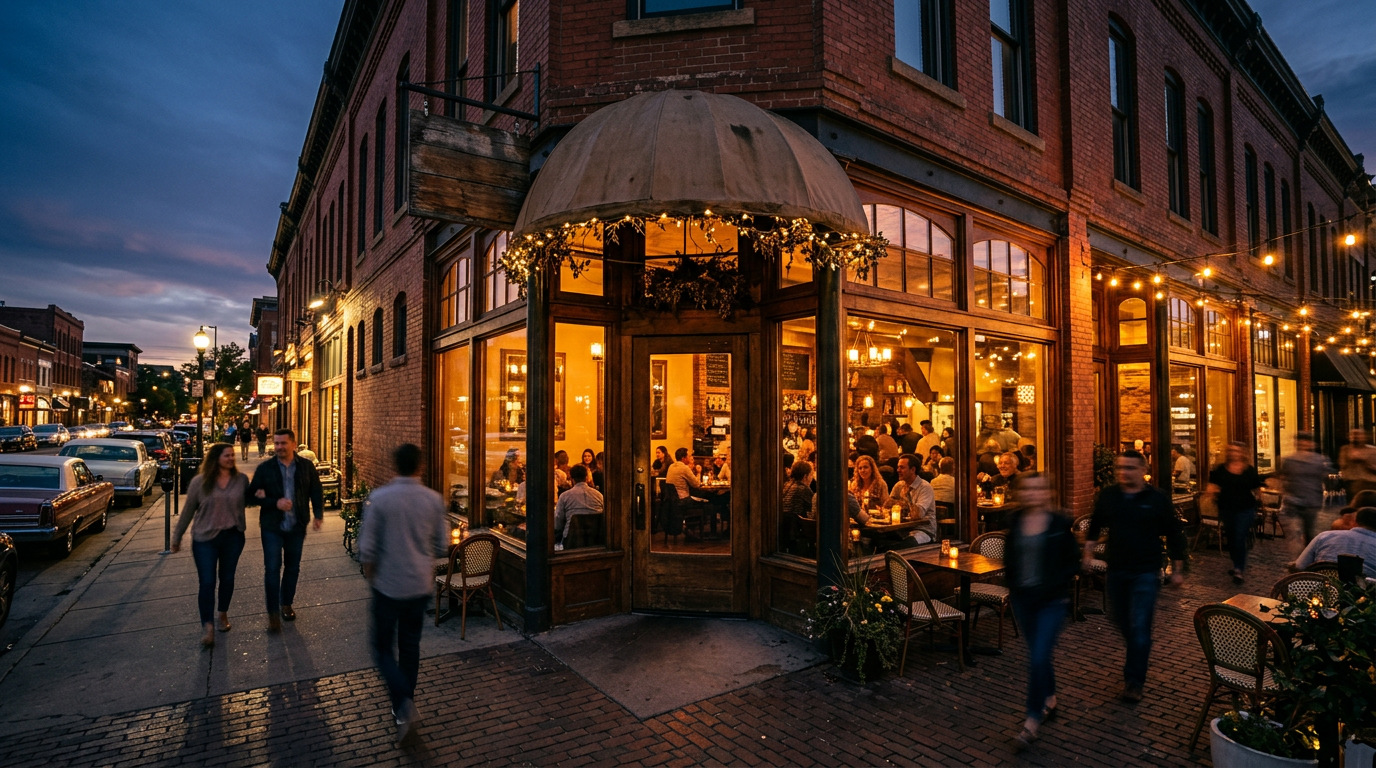
Denver is not one coworking scene. It is several overlapping micro-scenes.
RiNo
RiNo is the easiest place to find café energy that turns into networking. It has startup density, design studios, agencies, breweries, food halls, and people who are willing to talk to strangers if you are not weird about it. Use RiNo for working lunches, founder coffee, creative meetings, and evening event drift.
Good venue type: large café-bar hybrids, roaster cafés, food-hall-adjacent seating, brewery patios with daytime Wi-Fi.
Bad use: confidential calls or work requiring silence.
LoDo and Union Station area
This is better for meetings than marathon laptop days. You get access to downtown operators, visiting investors, conference spillover, and people passing through. Little Owl Coffee fits the polished downtown coffee category. Union Station’s Great Hall can work for a short session, but treat it as a public room, not an office.
Good venue type: polished espresso bars, hotel lobby cafés with public seating, train-station-adjacent meeting spots.
Bad use: spreading out for hours during peak traffic.
Capitol Hill and Uptown
This is freelancer territory: writers, nonprofit people, consultants, designers, policy folks, and people with flexible schedules. The vibe is less pitchy than RiNo. Better for heads-down work and recurring solo sessions.
Good venue type: neighborhood coffeehouses, calm roaster cafés, late-afternoon tea spots.
Bad use: trying to force founder dinner energy at 10 a.m.
Baker and South Broadway
Use this area when you want indie Denver, not startup Denver. Good for creators, service-business owners, musicians, tattoo-adjacent creative workers, and freelancers who do not want to sit next to three people discussing seed rounds.
Good venue type: independent cafés, hybrid retail-café spaces, casual bars that open early enough for laptop time.
Bad use: polished client meetings with a conservative buyer.
Cherry Creek
Cherry Creek is not cool in the RiNo sense, but it is useful. If you do consulting, finance, real estate, executive coaching, or premium services, it can be the right room. Aviano Coffee is a known name in the area. Expect more client meetings, fewer hoodie founders.
Good venue type: polished coffee bars, hotel-adjacent lounges, upscale lunch cafés.
Bad use: trying to spend all day on one drip coffee.
Etiquette and unwritten rules
The Denver café rule is simple: match your footprint to your spend and your noise to the room.
- Buy something every 90 minutes or so if you are staying.
- Tip. Especially if you are using the room like an office.
- Do not take a four-top alone during lunch.
- Do not run speakerphone audio. Ever.
- Keep calls short or take them outside.
- If the Wi-Fi is weak, do not complain like the café owes you enterprise infrastructure.
- Pack up when the room shifts to dinner service.
- Learn names slowly. Staff first names are not a networking asset; be normal.
The strongest regulars are low-friction. They order clearly, clean up after themselves, keep bags tucked in, and do not turn the communal table into a podcast studio.
Also: Denver is friendly, but not desperate. People will talk. They will not tolerate a pitch ambush before they have finished their cortado.
How to actually meet people there
Do not lead with your company description. Lead with the shared room.
Good openers:
- Is this table usually laptop-safe after lunch, or does it flip?
- Have you found a decent quiet spot around here for calls?
- I keep seeing product people in here on Tuesdays. Is that a thing or just my algorithm in real life?
- Are you working from home escape mode too?
- I am trying to build a two-café weekly circuit. Would you put this place on it?
If they answer with one sentence and return to headphones, stop. If they turn their body toward you, ask one more question.
The clean follow-up:
- Good talking. Want to swap LinkedIn in case I can send that intro?
- I am usually here Tuesday mornings. If you are around, I will say hi next time.
- Send me the name of that Meetup and I will send you the designer I mentioned.
Then actually do it. Same day. Denver is still small enough that people remember whether you follow through.
For more intentional connection, use the café as the pre-room or post-room around structured communities. Check Meetup for Denver founder events, climate tech meetups, AI builder sessions, design gatherings, and operator dinners. AngelList and LinkedIn are useful for identifying who is active locally. Lunchclub still works for some one-on-one professional matching, though the quality depends on your filters. On Deck and South Park Commons have shaped the national founder-networking language, but in Denver the practical move is still simple: attend the thing, then invite one person to coffee the next week.
Founder dinners are coming back because people are tired of panels. If you host one, keep it tight: six to eight people, one clear theme, no sponsor monologue, and a real follow-up thread afterward.
Mistakes to avoid
The biggest mistake is treating every café like a coworking space with better coffee. It is not. The café has its own business model.
Avoid these moves:
- The eight-hour camp. If you need a full workday, pay for a day pass at a real coworking space or rotate rooms.
- The fake meeting. Do not invite someone to coffee and then pitch them for 45 minutes.
- The headphone wall. If your goal is meeting people, remove headphones between tasks. Closed body language produces closed outcomes.
- The wrong neighborhood. RiNo for energy, Cherry Creek for polished clients, Capitol Hill for solo work. Pick intentionally.
- The fragile Wi-Fi plan. Use a hotspot backup. Remote workers who cannot function without perfect café Wi-Fi are not serious.
- The conference call at the communal table. Nobody wants to hear your Q3 pipeline review.
- The one-and-done visit. Connection comes from repetition. Same room, same day, same window.
Also avoid over-optimizing. The perfect café does not exist. The useful one exists at the intersection of seat, signal, staff tolerance, and who else tends to show up.
A simple Denver weekly circuit
If you are new to Denver or rebuilding your work rhythm, do not wander randomly. Build a circuit for four weeks.
Monday: heads-down neighborhood café near home. No networking goal. Just establish baseline productivity.
Tuesday: RiNo café or café-bar hybrid from 9:30 to 11:30 a.m. Talk to one person if the opening is natural.
Wednesday: formal coworking day pass if you need calls, printing, or a door that closes. Industrious, Spaces, Shift Workspaces, or another professional workspace can earn its keep here.
Thursday: downtown or Cherry Creek meeting day. Stack client coffees and keep sessions short.
Friday: afternoon patio or all-day café that can roll into a drink. Close the laptop by 4:30 and let the room become social.
The point is not to reject coworking entirely. It is to stop pretending every work need belongs in a glass lobby. Denver is better than that. The city gives remote workers something more useful: rooms with coffee, daylight, repeat faces, and enough public life to remind you that your laptop is not the whole job.
Work from the right café long enough and you stop feeling like a person borrowing Wi-Fi. You become part of the room. That is when the city starts working for you.
Discussion (0)
Loading comments…