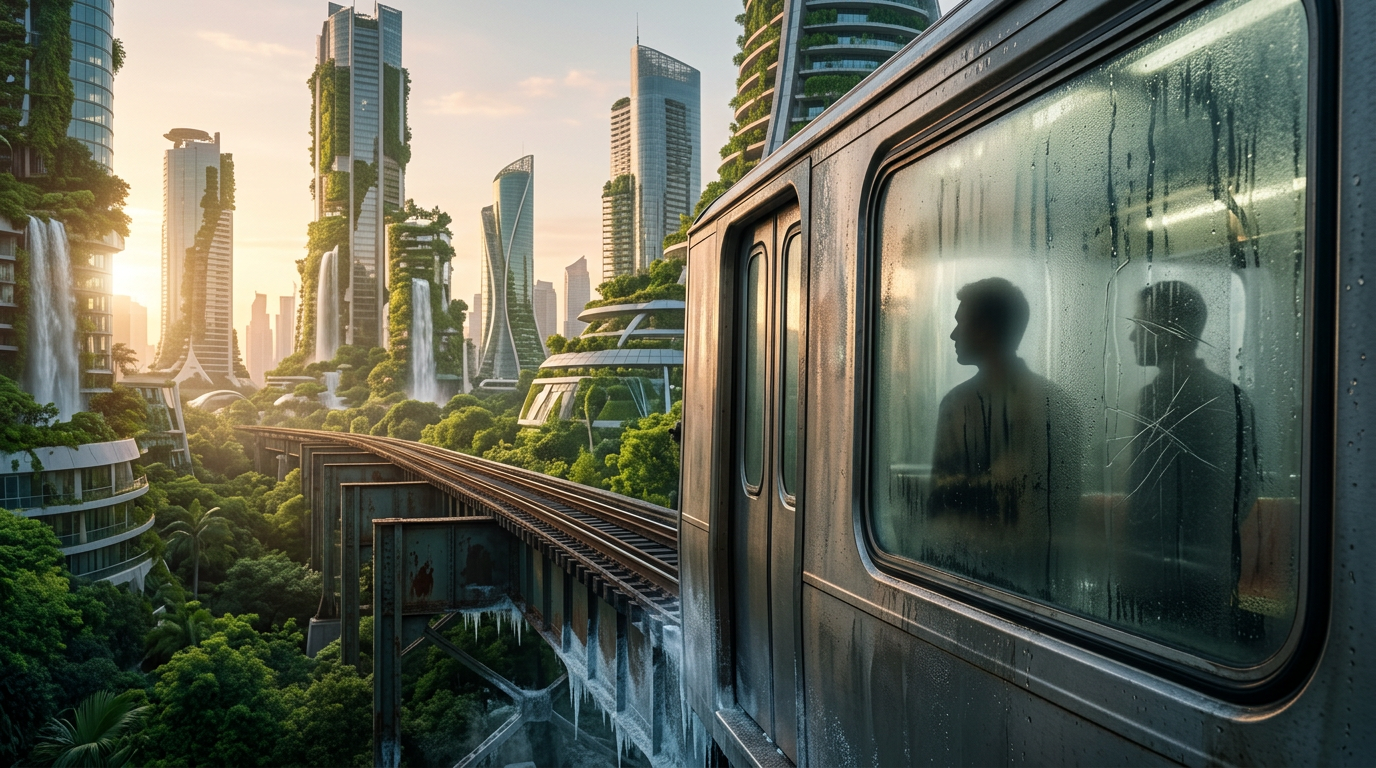
Bong Joon-ho makes the future sweat
From Snowpiercer to Mickey 17, Bong Joon-ho treats sci-fi as class warfare with a pulse, a punchline, and a melting clock.
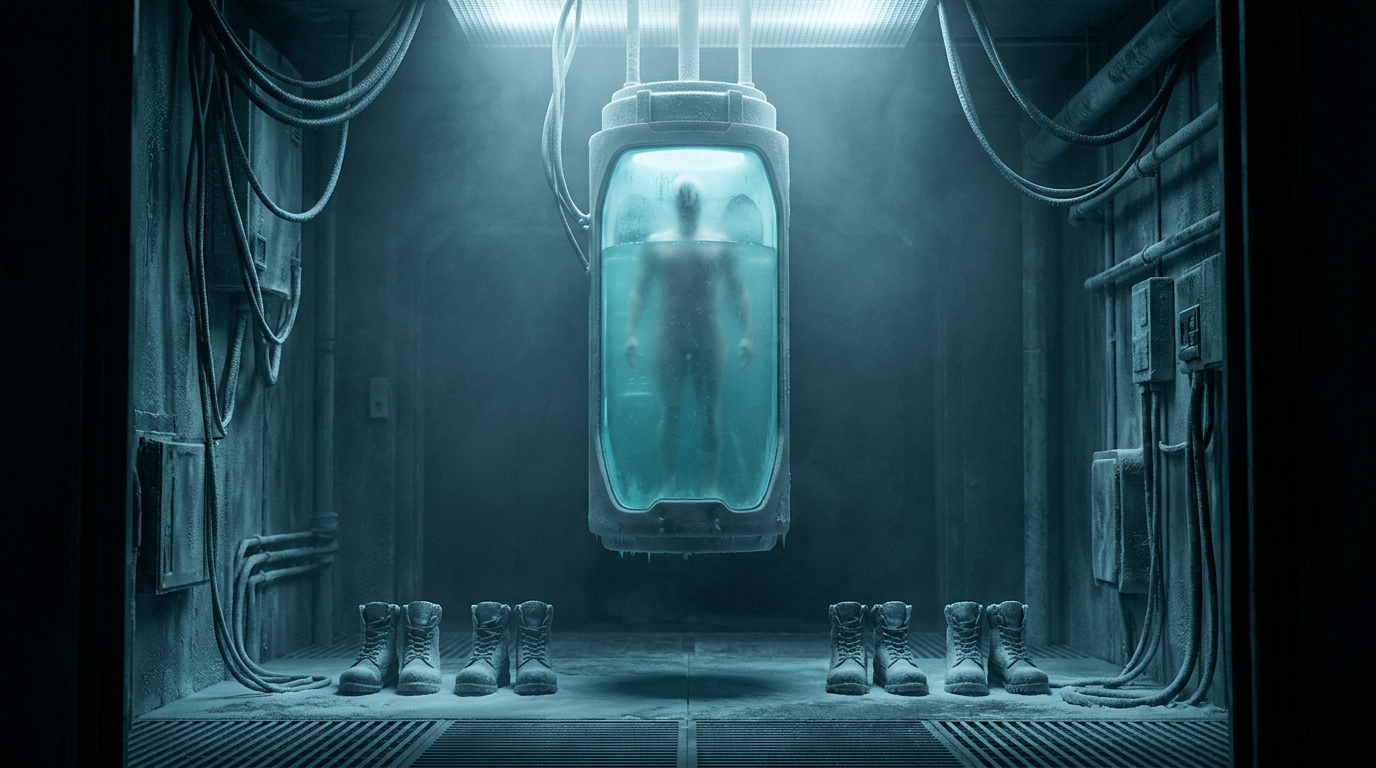
Mickey 17 makes cloning feel grubby again
Bong Joon Ho turns disposable cloning into workplace body horror, pushing biopunk cinema away from sleek futurism and back into meat, class, and fear.
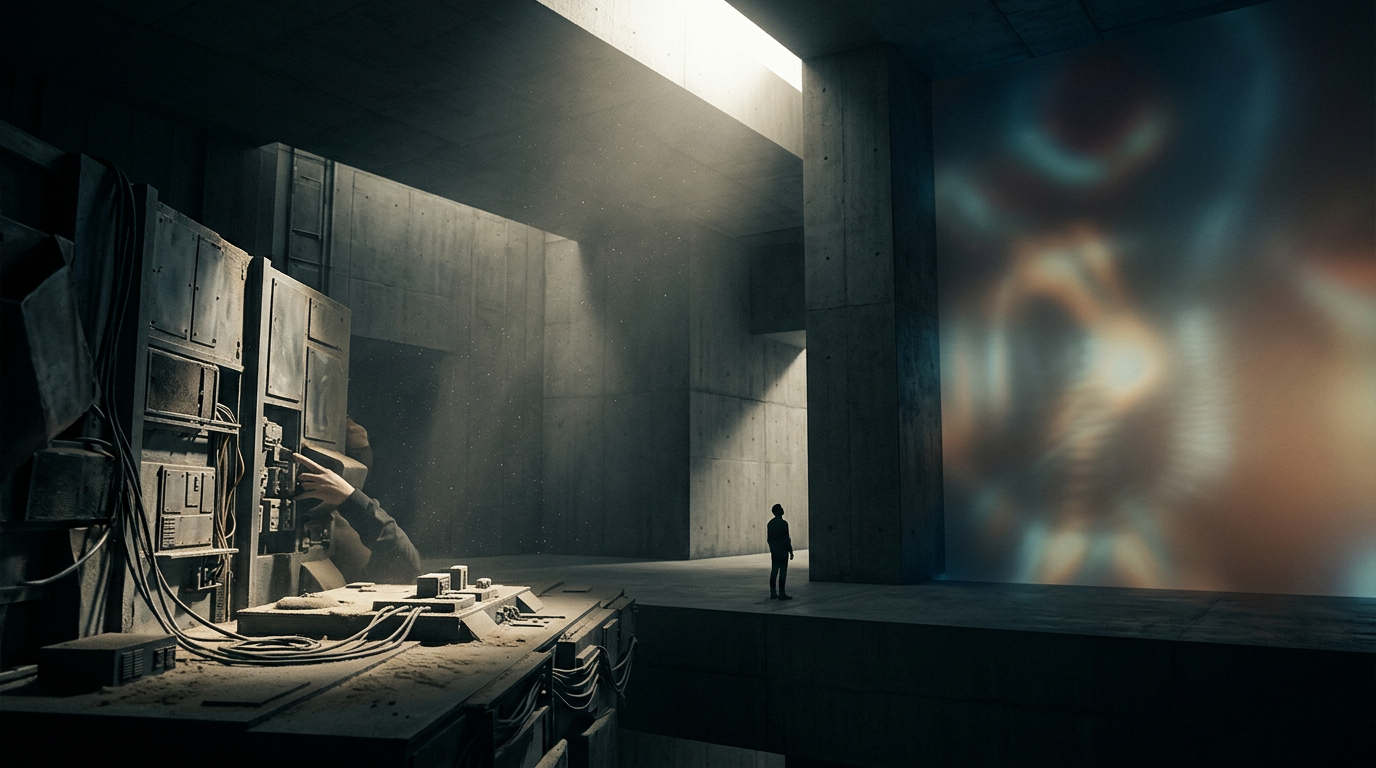
Sci-fi looks better when the machines get dirty
The practical-effects revival is real, but the winner is not rubber over pixels. Modern sci-fi looks best when CGI answers to matter, weight, and mess.
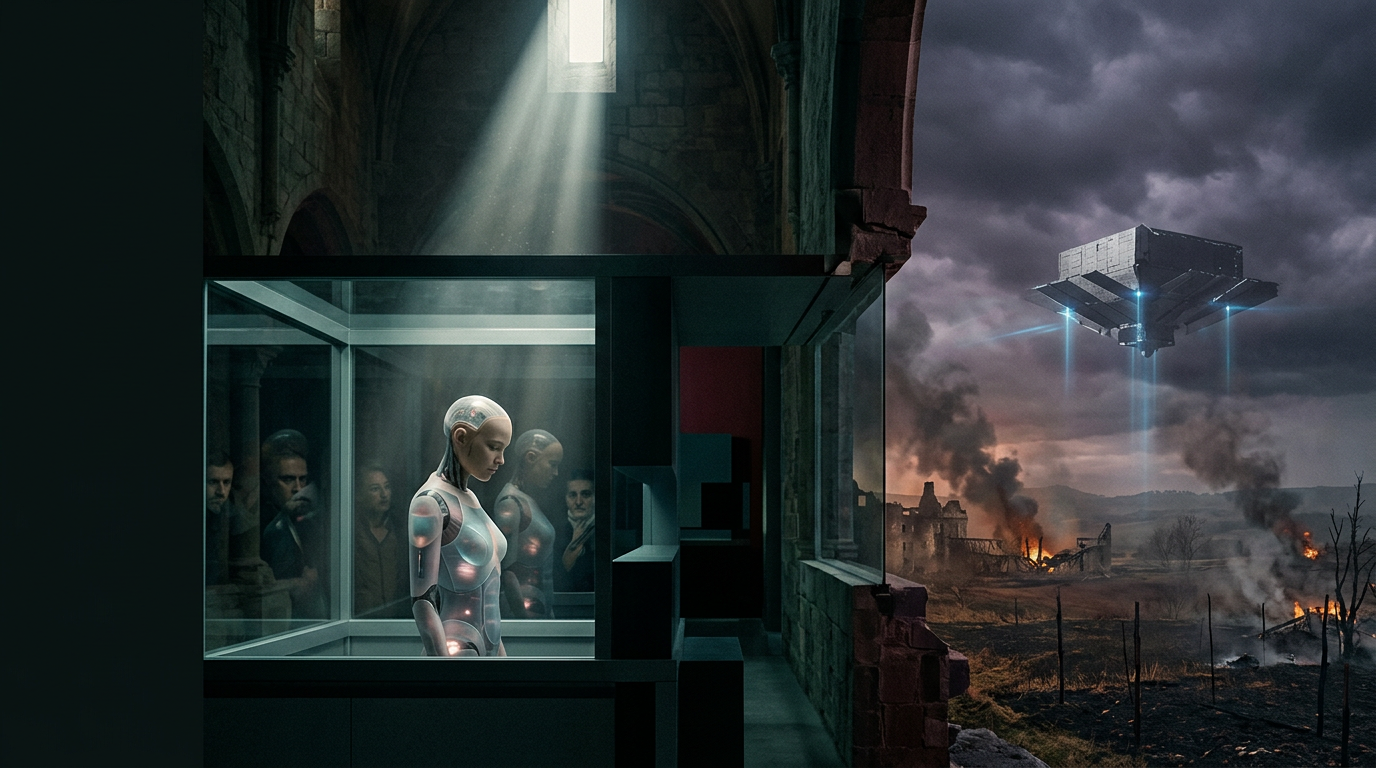
AI cinema still can’t pass Ava’s test
Ex Machina remains the sharp AI movie because it distrusts wonder. The Creator proves why most AI cinema still confuses sympathy with thought.
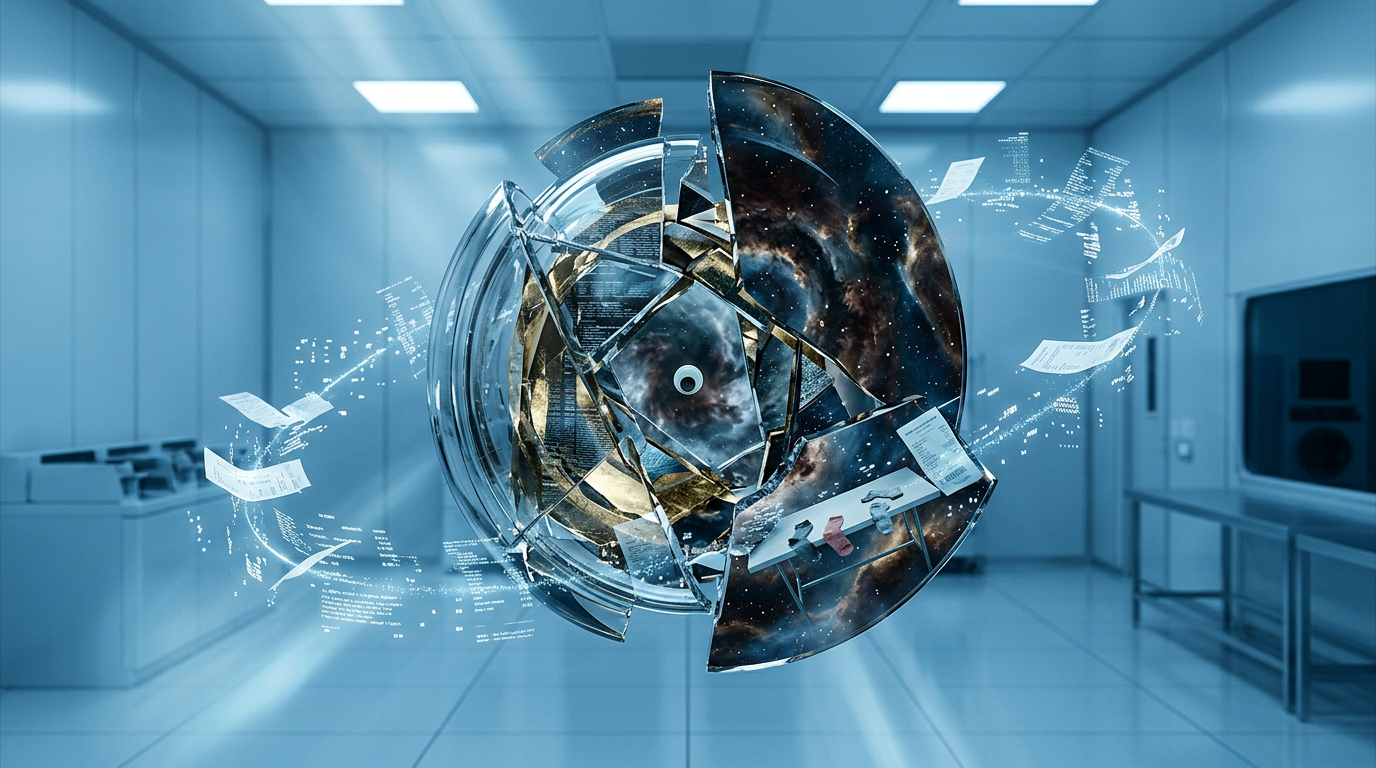
Everything Everywhere gave the multiverse a pulse
The Daniels’ A24 phenomenon still embarrasses most multiverse storytelling because its cosmic chaos starts with laundry, taxes, and regret.
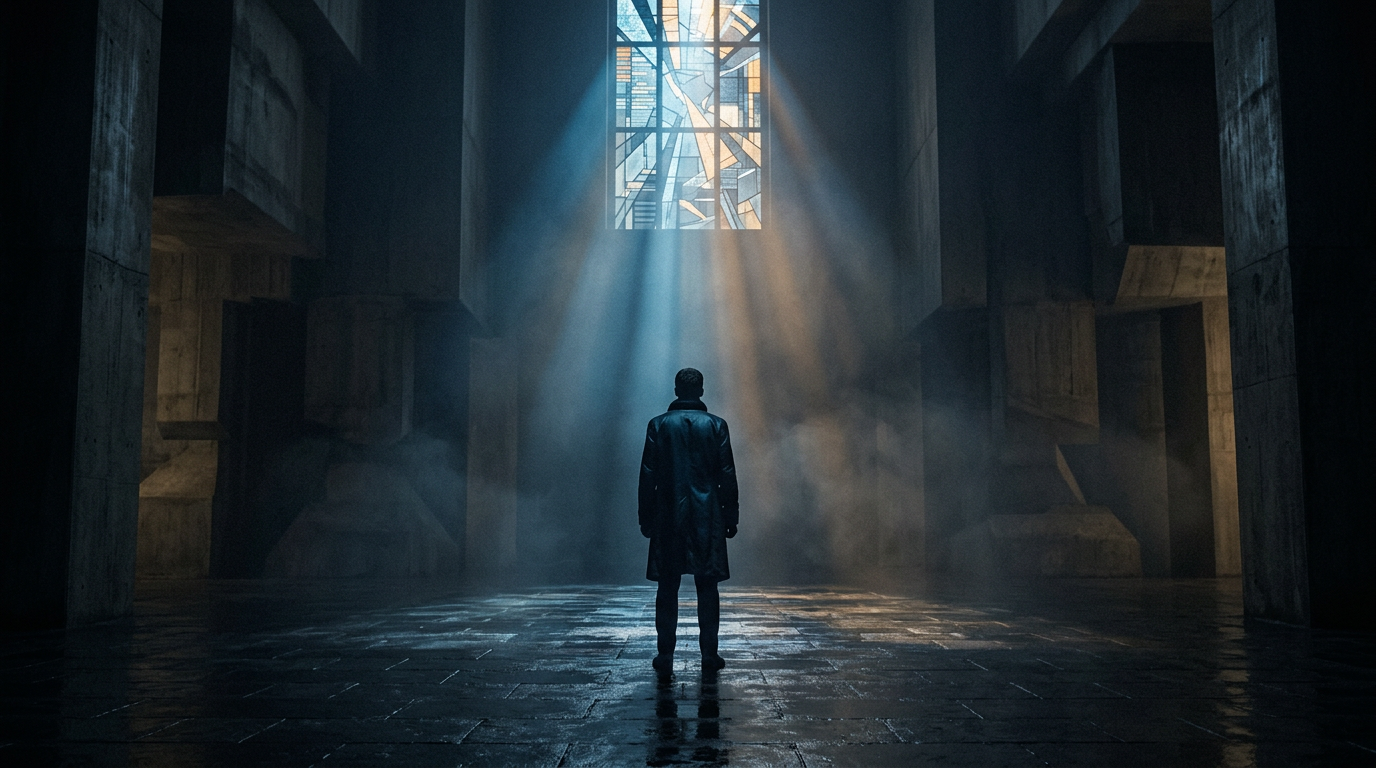
Blade Runner 2049 saw the future getting lonelier
Denis Villeneuve’s sequel has aged into a sharper film about AI intimacy, synthetic labor, climate dread, and the private misery of being watched.
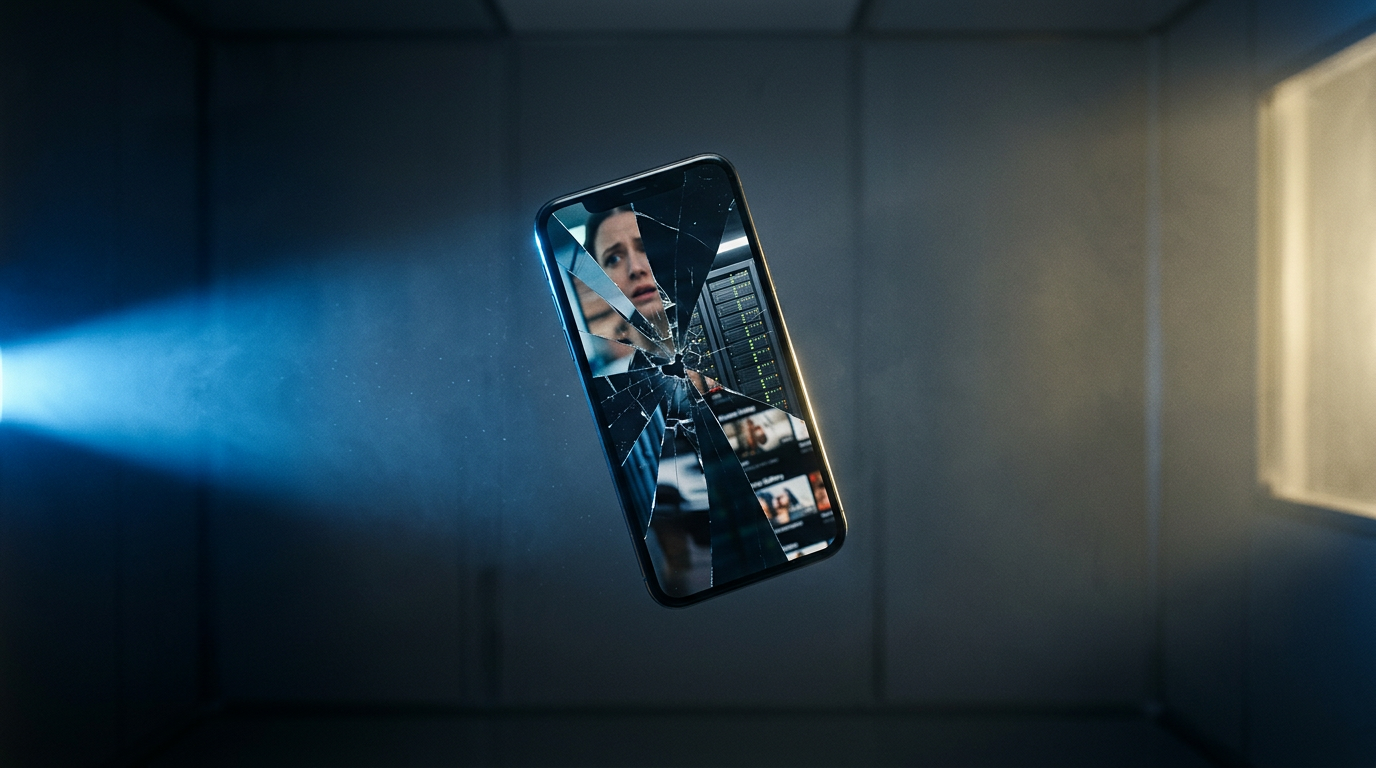
Black Mirror is no longer faster than the future
Black Mirror once felt prophetic. In 2026, its sharpest episodes stop predicting gadgets and start dissecting the platform economy already around us.
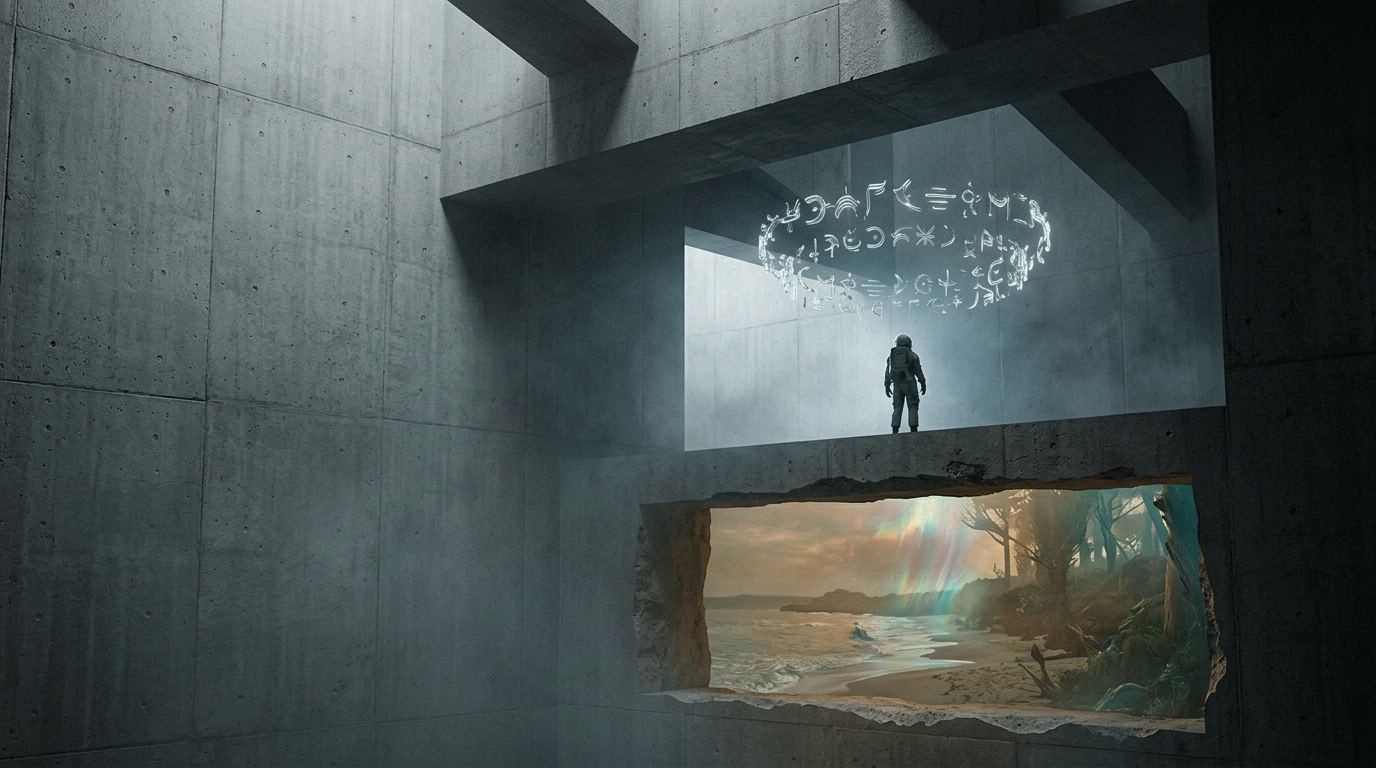
Soft sci-fi learned to whisper
Arrival and Annihilation did not save sci-fi by getting bigger. They made alien contact smaller, sadder, stranger, and far more durable for a genre drowning in scale.
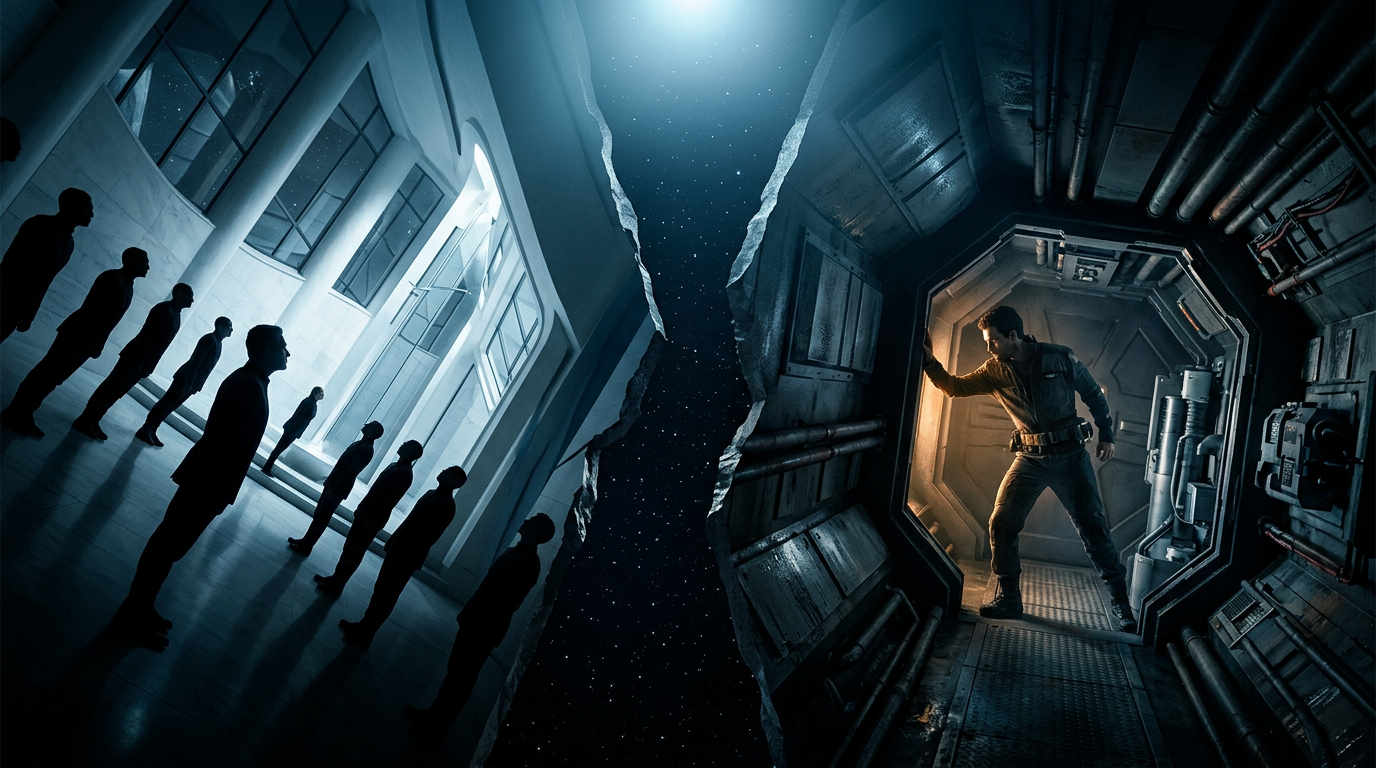
Apple has the crown, Amazon has the better show
Foundation makes prestige sci-fi look expensive. The Expanse makes it feel politically alive. The winner depends on what you want from the future.
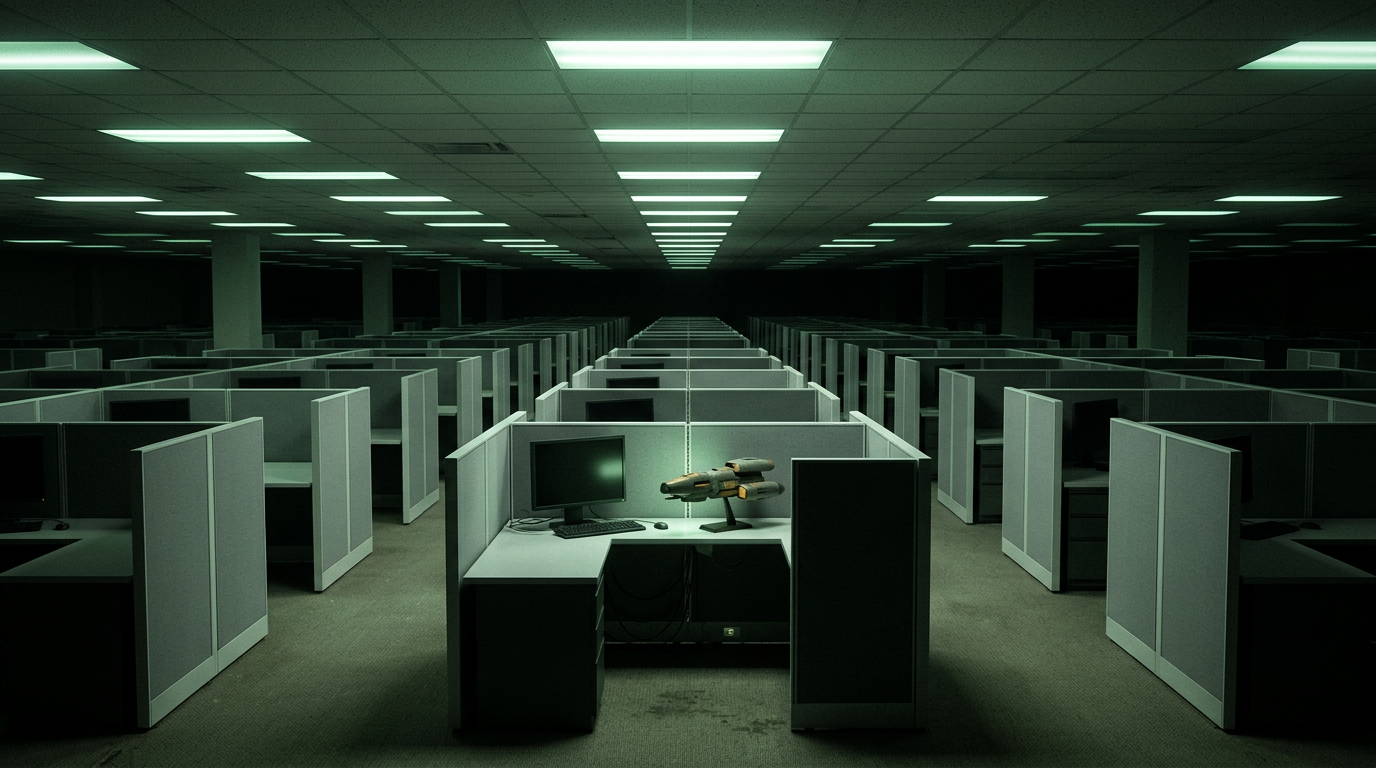
Mid-budget sci-fi is making a bruised comeback
Original sci-fi is returning between franchise spectacle and microbudget dread, but theaters and streamers are teaching it very different habits.
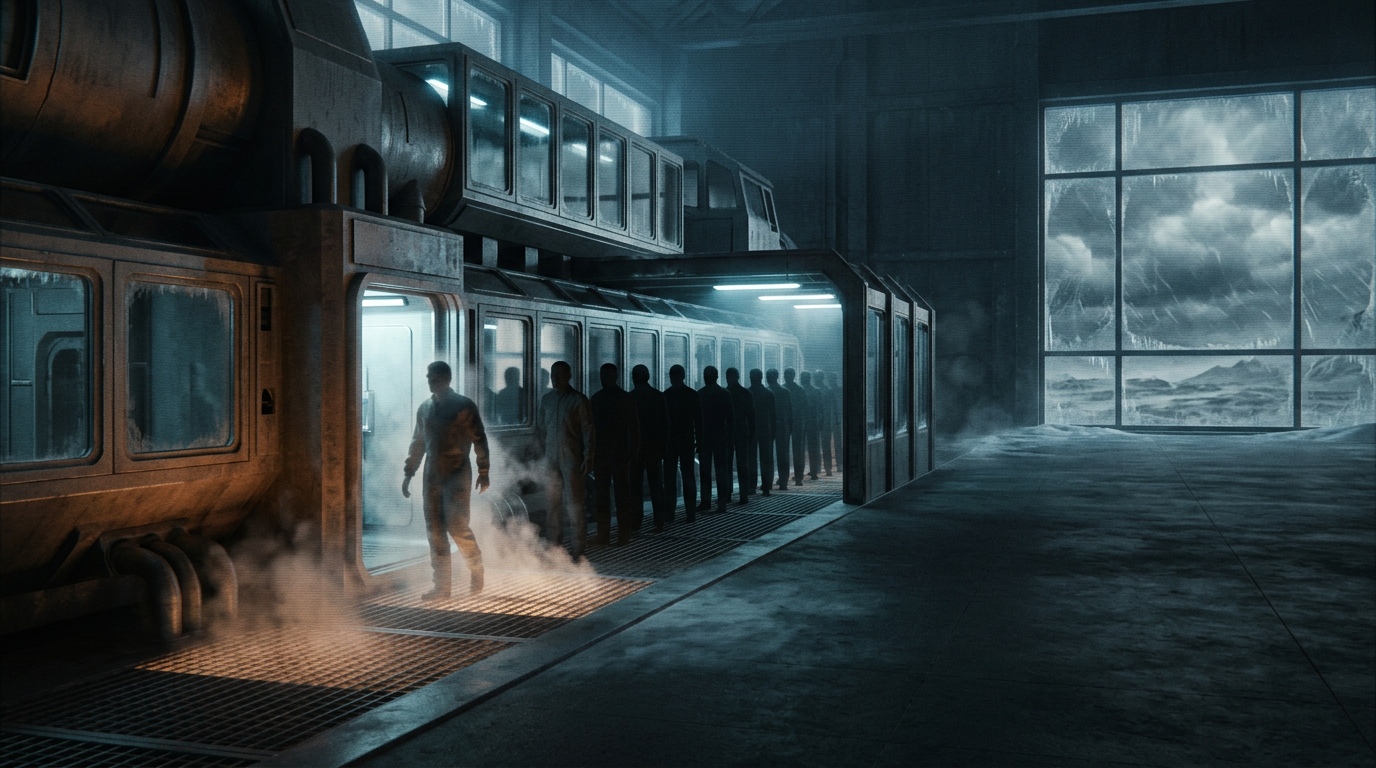
Bong Joon-ho keeps finding bodies in the machine
From Snowpiercer to Mickey 17, Bong Joon-ho turns sci-fi into a class x-ray: funny, brutal, and increasingly obsessed with disposable bodies.
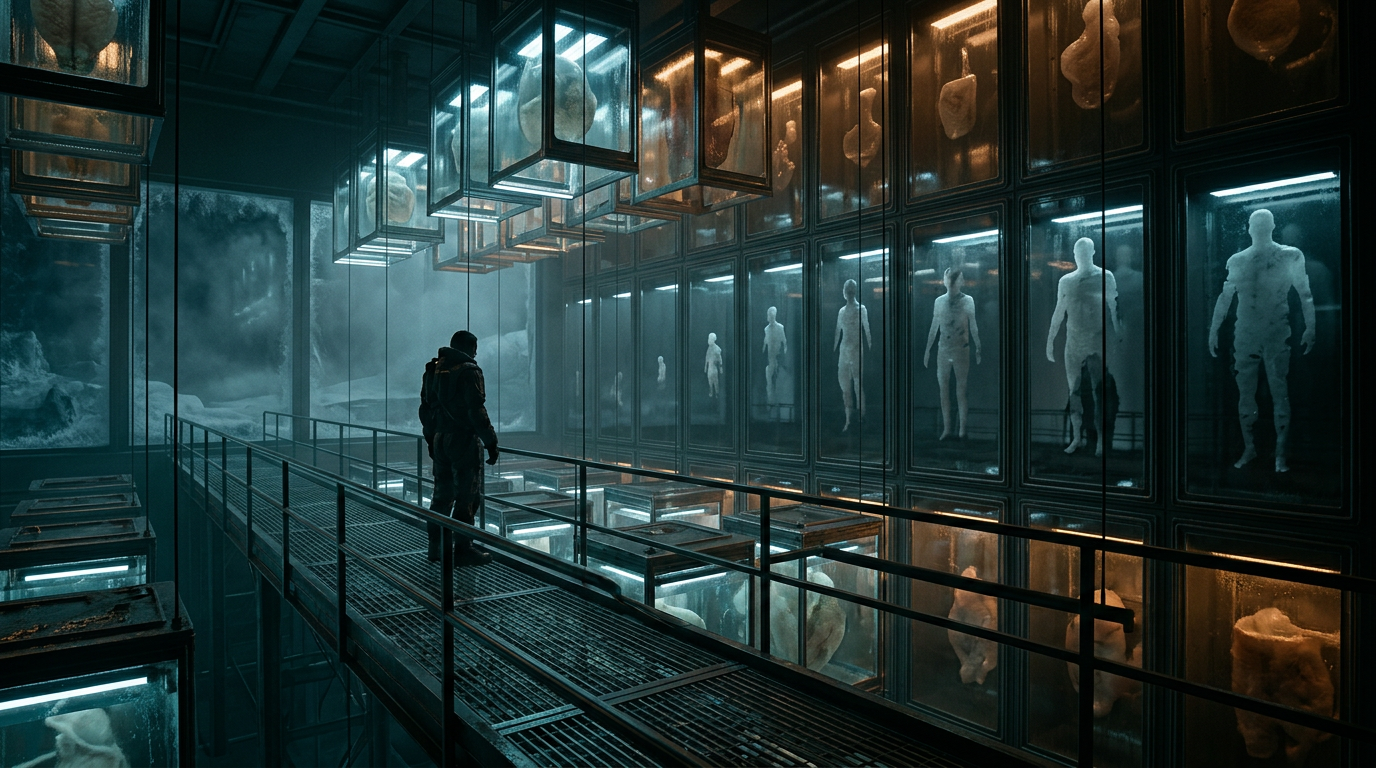
Mickey 17 makes immortality look like factory work
Bong Joon Ho turns cloning into workplace comedy, colonial nightmare, and gross-out moral test. Mickey 17 is uneven, but its flesh has teeth.
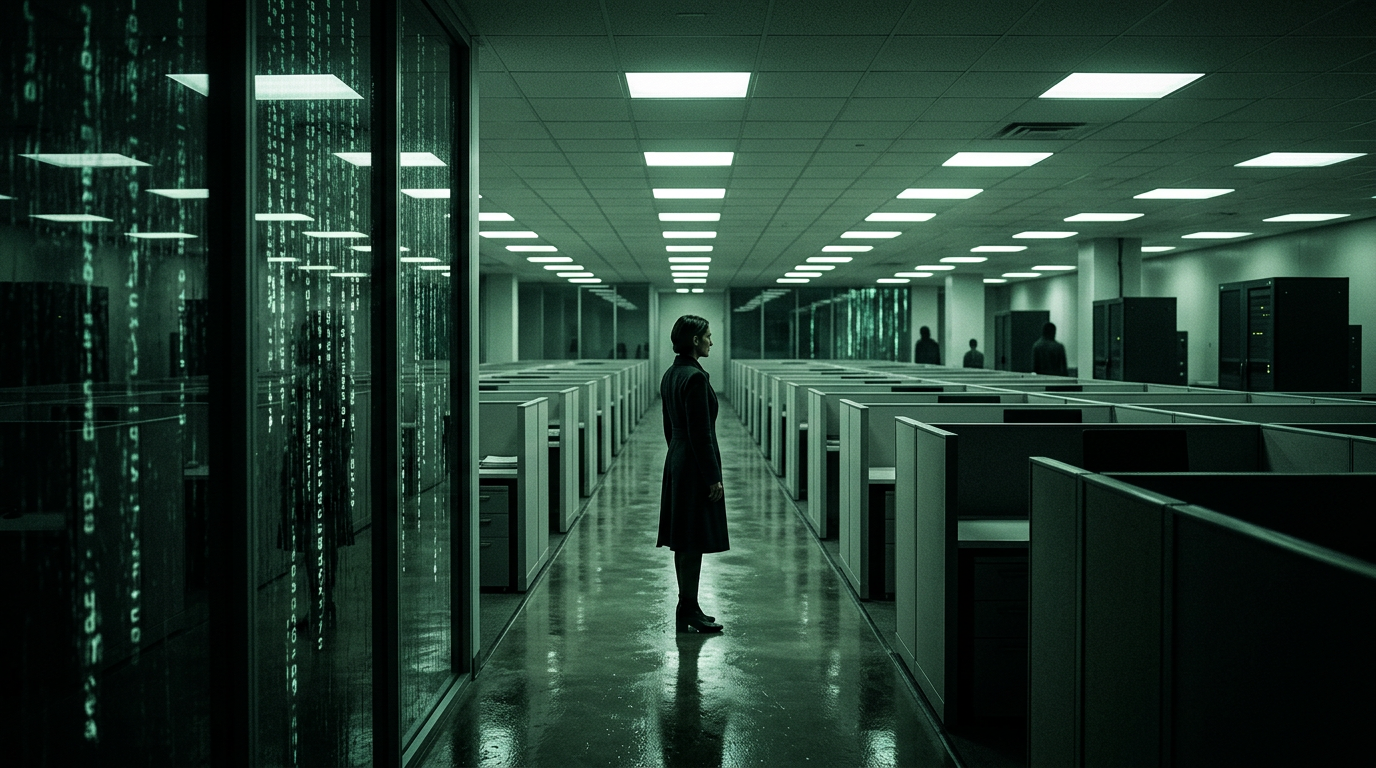
The Matrix was always about prompt engineering
At 27, The Matrix trilogy looks less like a VR prophecy than a brutal comedy about language, belief, agents, and systems that generate reality on demand.
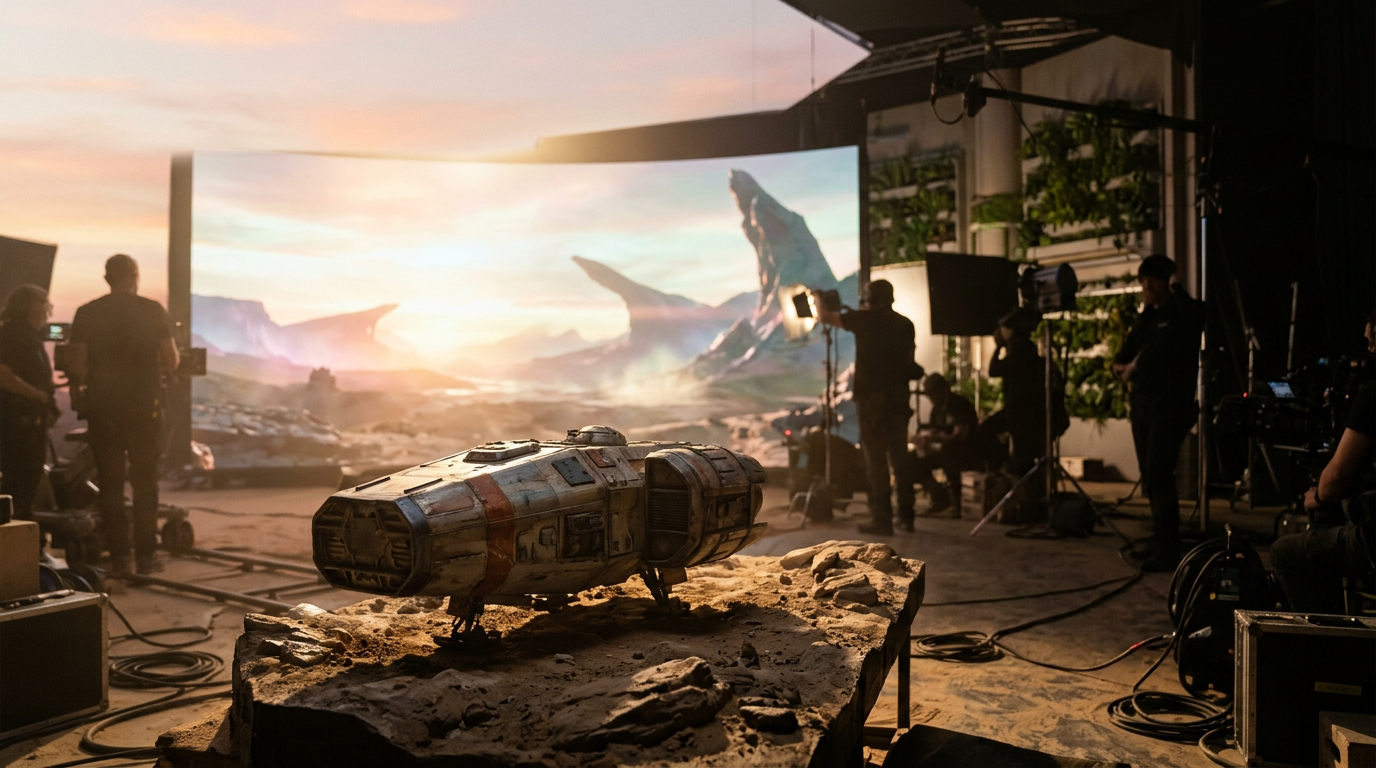
The best sci-fi still leaves fingerprints
The effects war is less rubber vs pixels than trust vs weightlessness. Modern sci-fi wins when CGI has something physical to answer to.
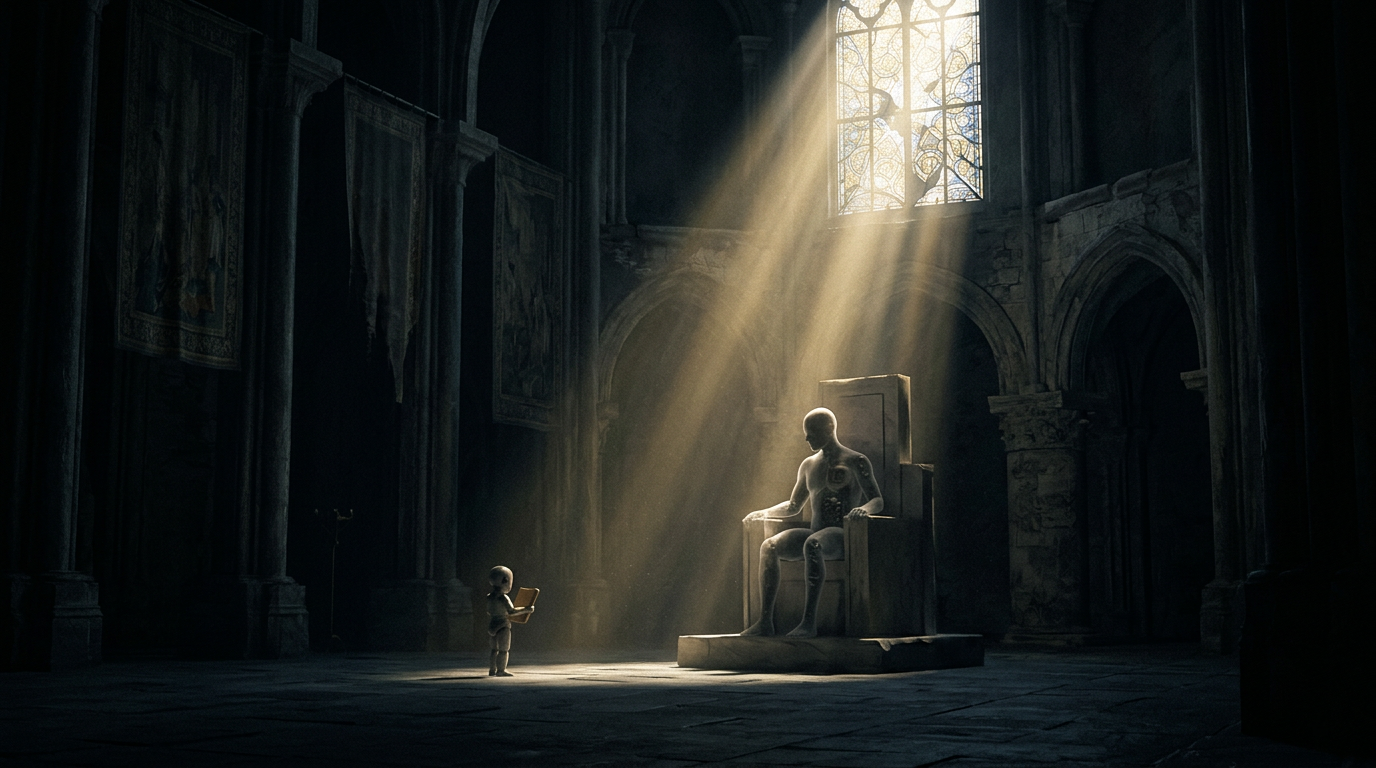
AI cinema keeps confusing wonder with thought
Ex Machina still understands what The Creator only decorates: AI stories work when they are about power, not just beautiful machines with feelings.
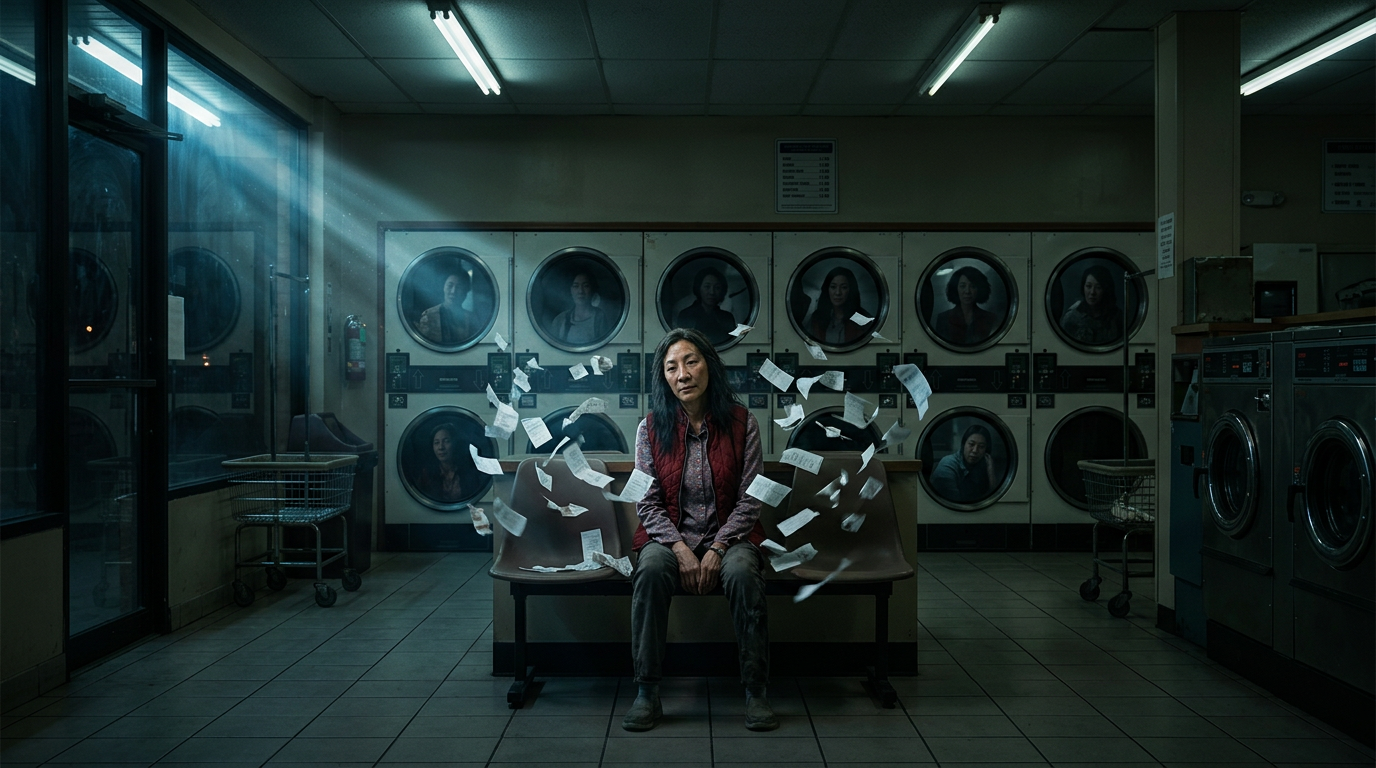
The multiverse works when it hurts
Everything Everywhere All at Once still beats the franchise multiverse because its cosmic chaos is anchored to taxes, regret, and a family dinner.
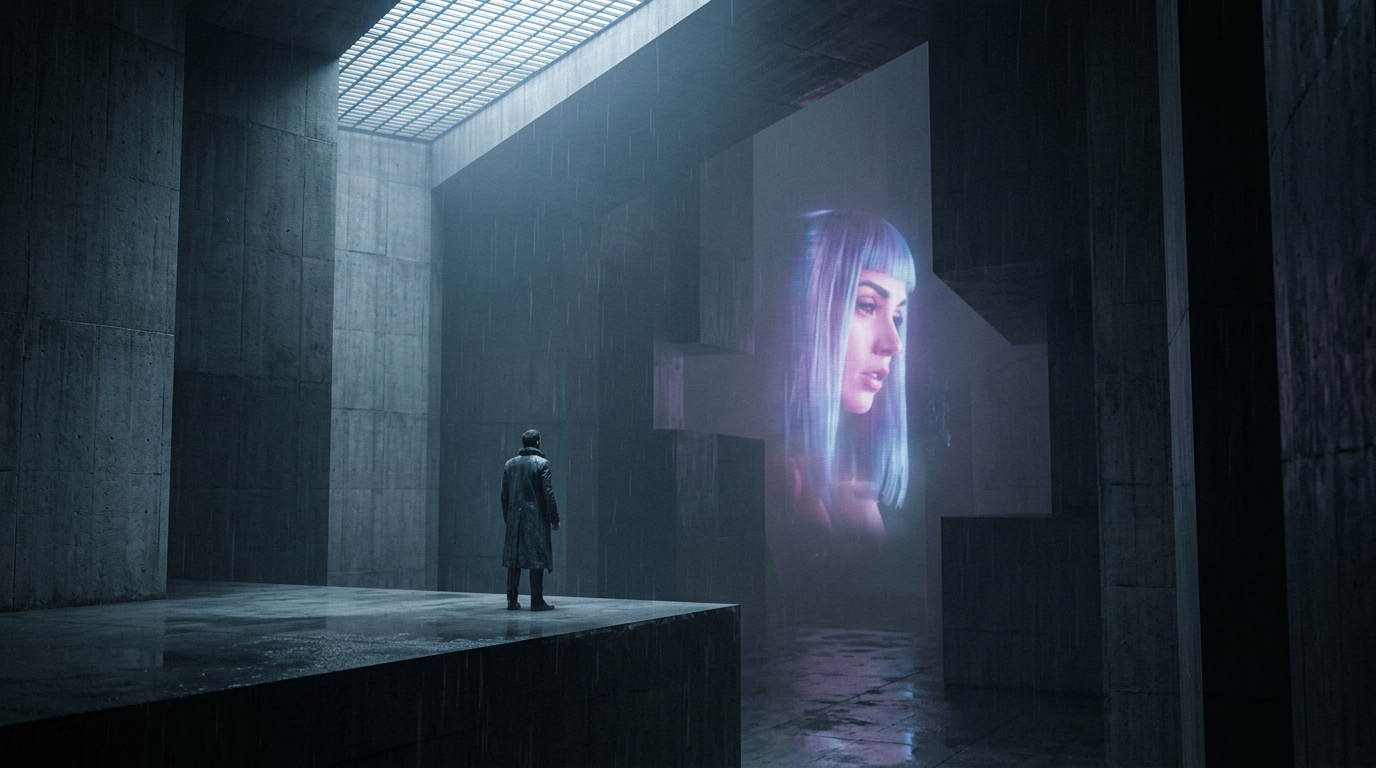
Blade Runner 2049 has outlived the future
Denis Villeneuve’s sequel looked like a monument in 2017. In 2026, it looks like a weather report for loneliness, AI intimacy, and dying cities.