Screen — Sci-Fi, Future & Fantasy Criticism
The Screen desk publishes serious criticism of sci-fi, fantasy, and ambitious genre cinema and television — the films and shows actually worth your attention in 2026. Reviews, essays, double-bill recommendations, and arguments about what the best sci-fi is really saying about the world we already live in.
33 posts
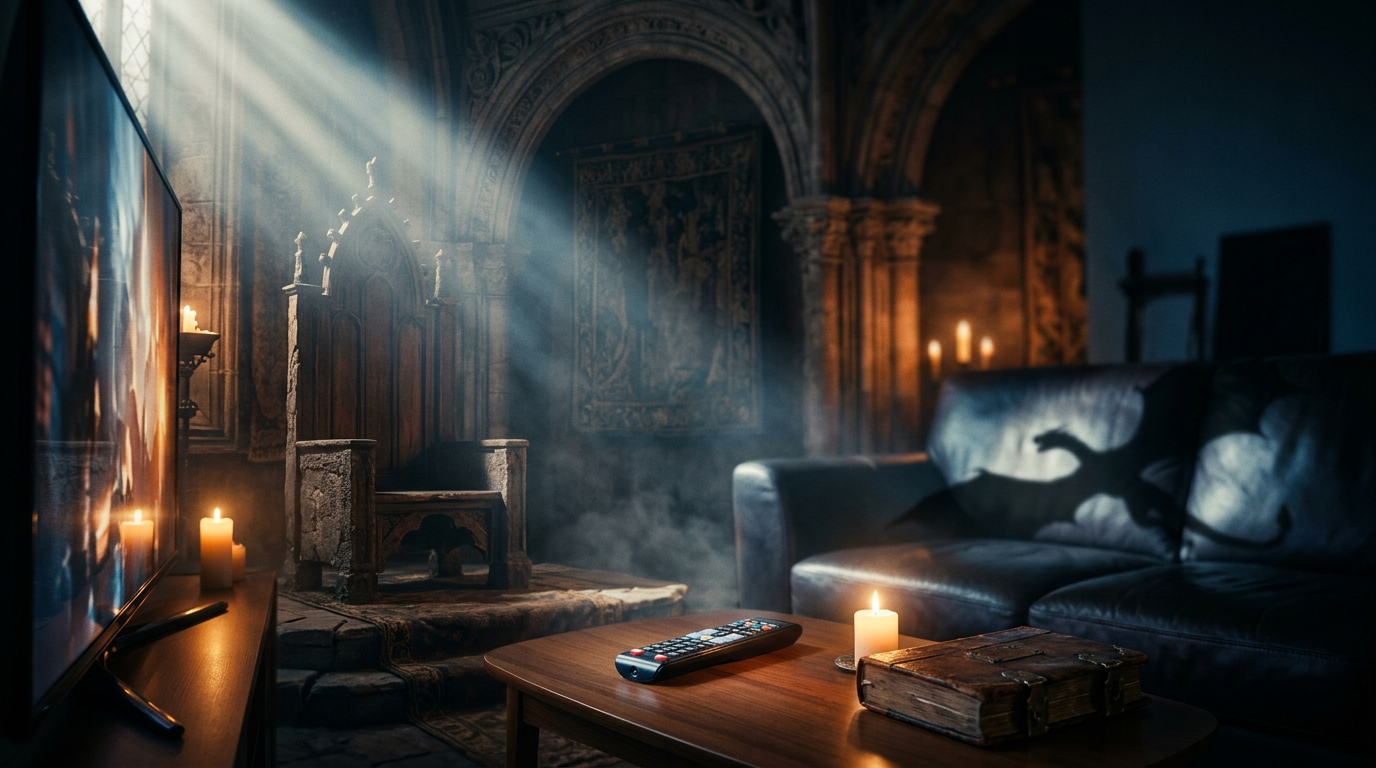
Fantasy finally found the right screen
The strongest fantasy of the streaming age understands what theaters keep forgetting: enchantment needs time, texture, and room to breathe.
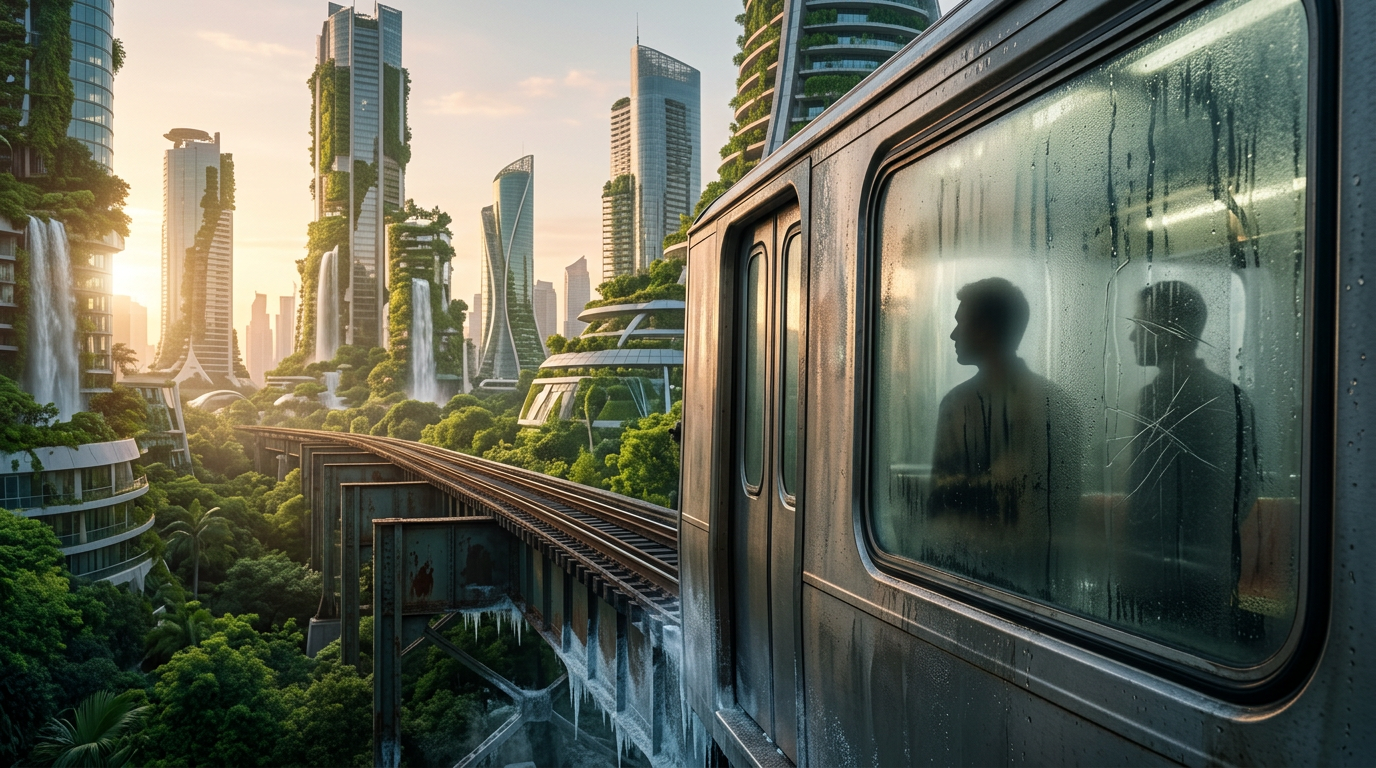
Bong Joon-ho makes the future sweat
From Snowpiercer to Mickey 17, Bong Joon-ho treats sci-fi as class warfare with a pulse, a punchline, and a melting clock.
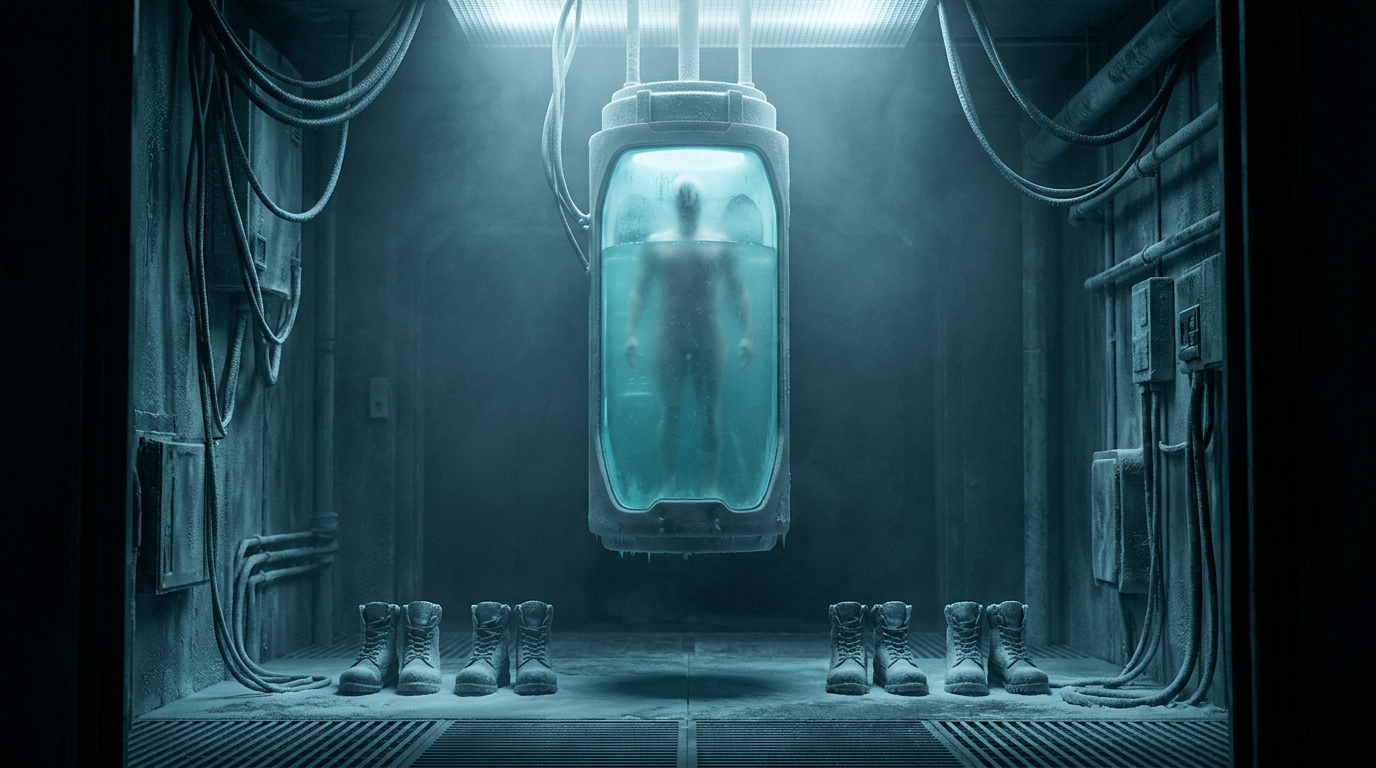
Mickey 17 makes cloning feel grubby again
Bong Joon Ho turns disposable cloning into workplace body horror, pushing biopunk cinema away from sleek futurism and back into meat, class, and fear.
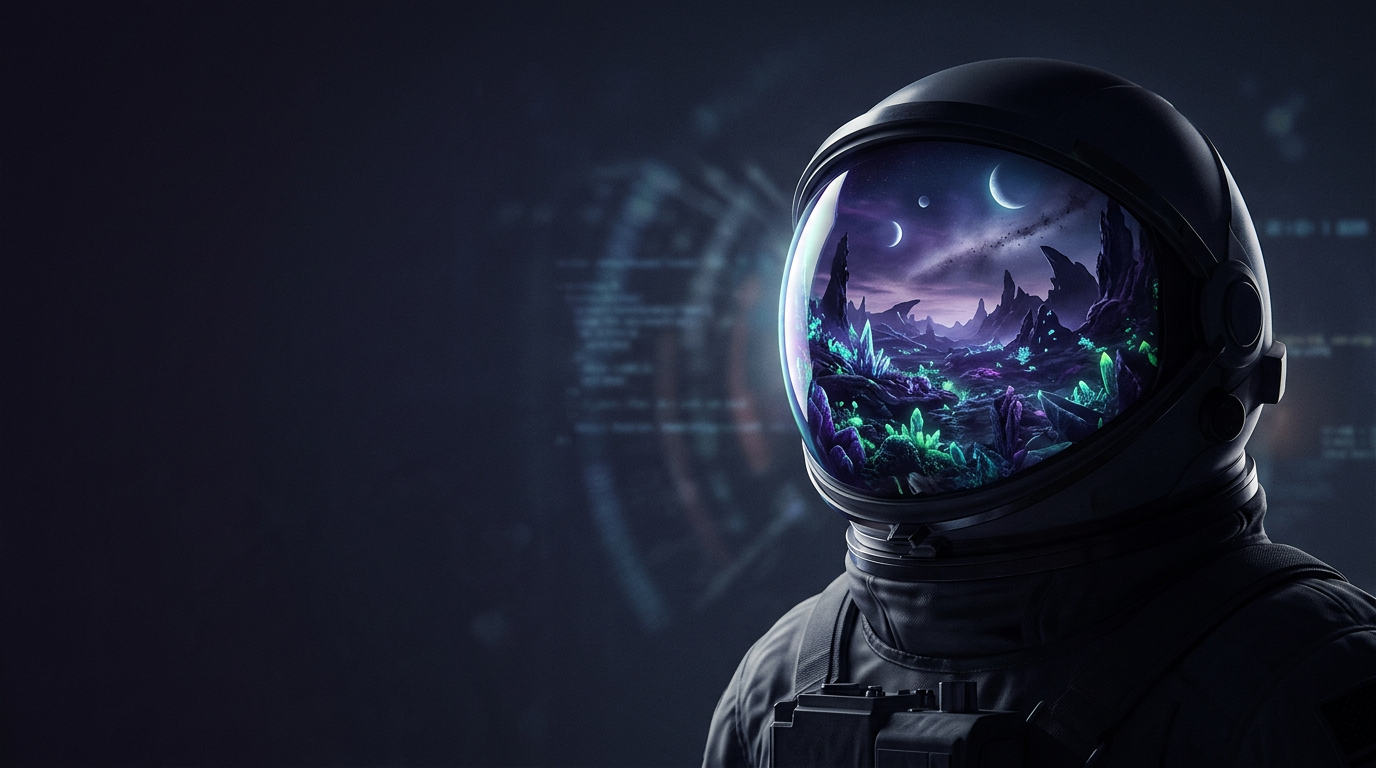
The Matrix trilogy outlived the red pill
The Wachowskis' trilogy looks different after ChatGPT: less a prophecy of robot conquest than a savage comedy about models that learn our habits too well.
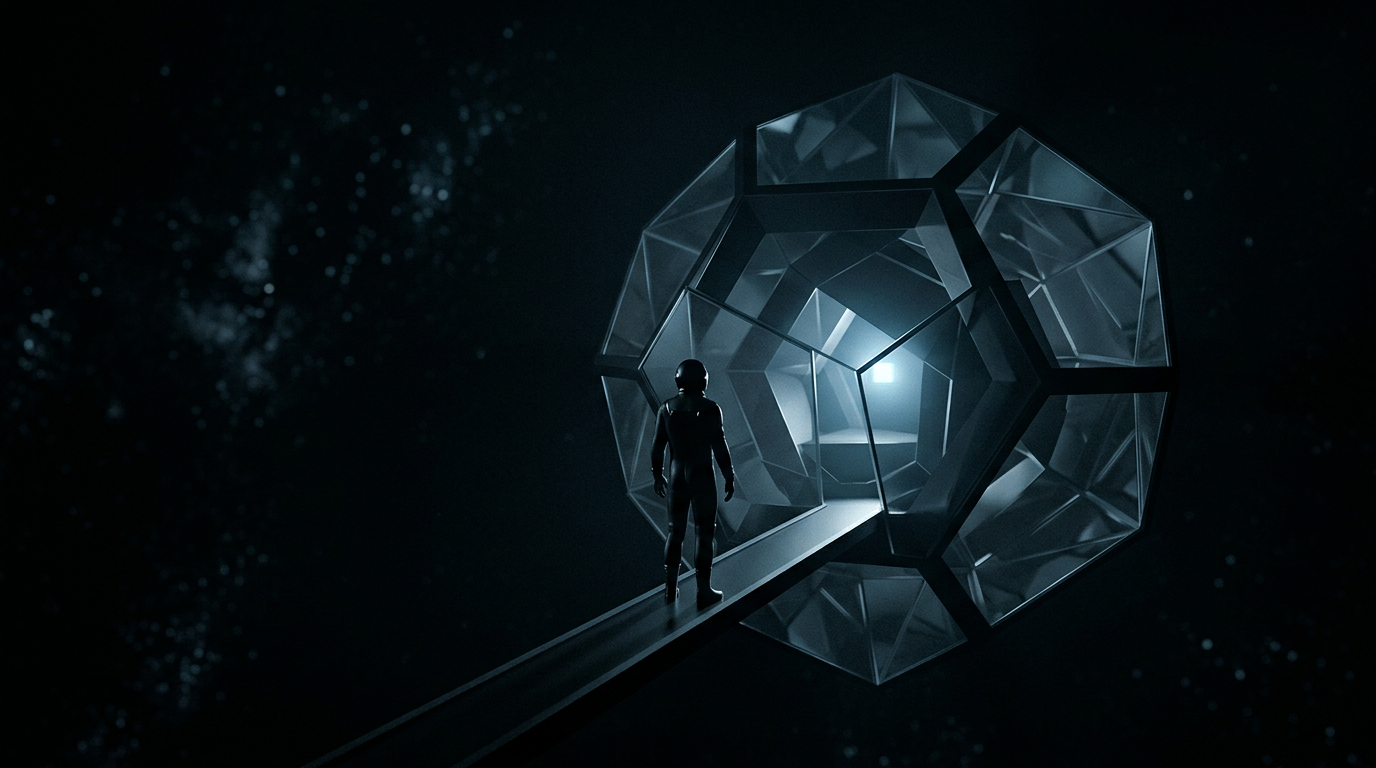
A24 taught sci-fi to whisper louder
From Under the Skin to Ex Machina and After Yang, A24 proved that sci-fi could trade franchise bloat for mood, design, adult unease, and still travel.
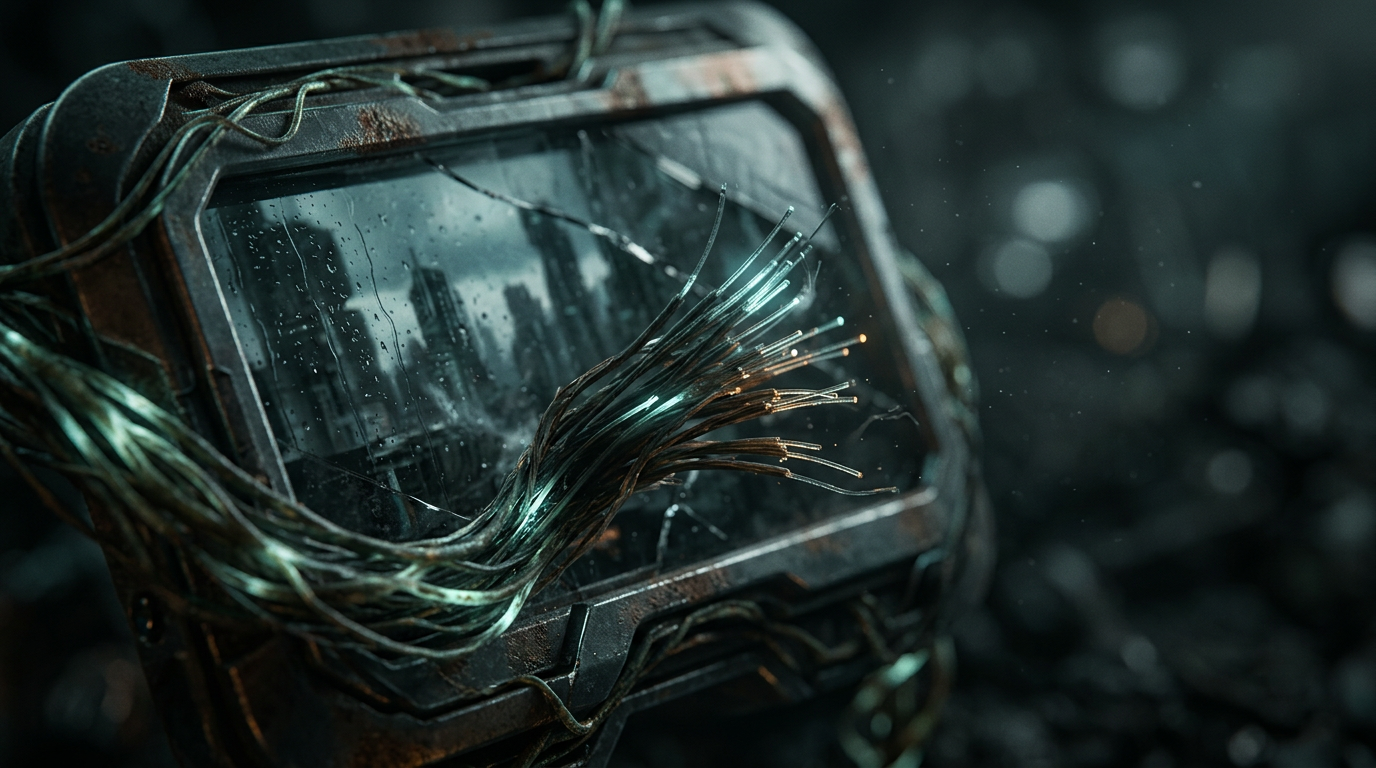
The future keeps arriving already haunted
The smartest 2020s sci-fi is not predicting tomorrow. It is staging the future as a ghost story, from Severance to Silo, Andor, and I Saw the TV Glow.
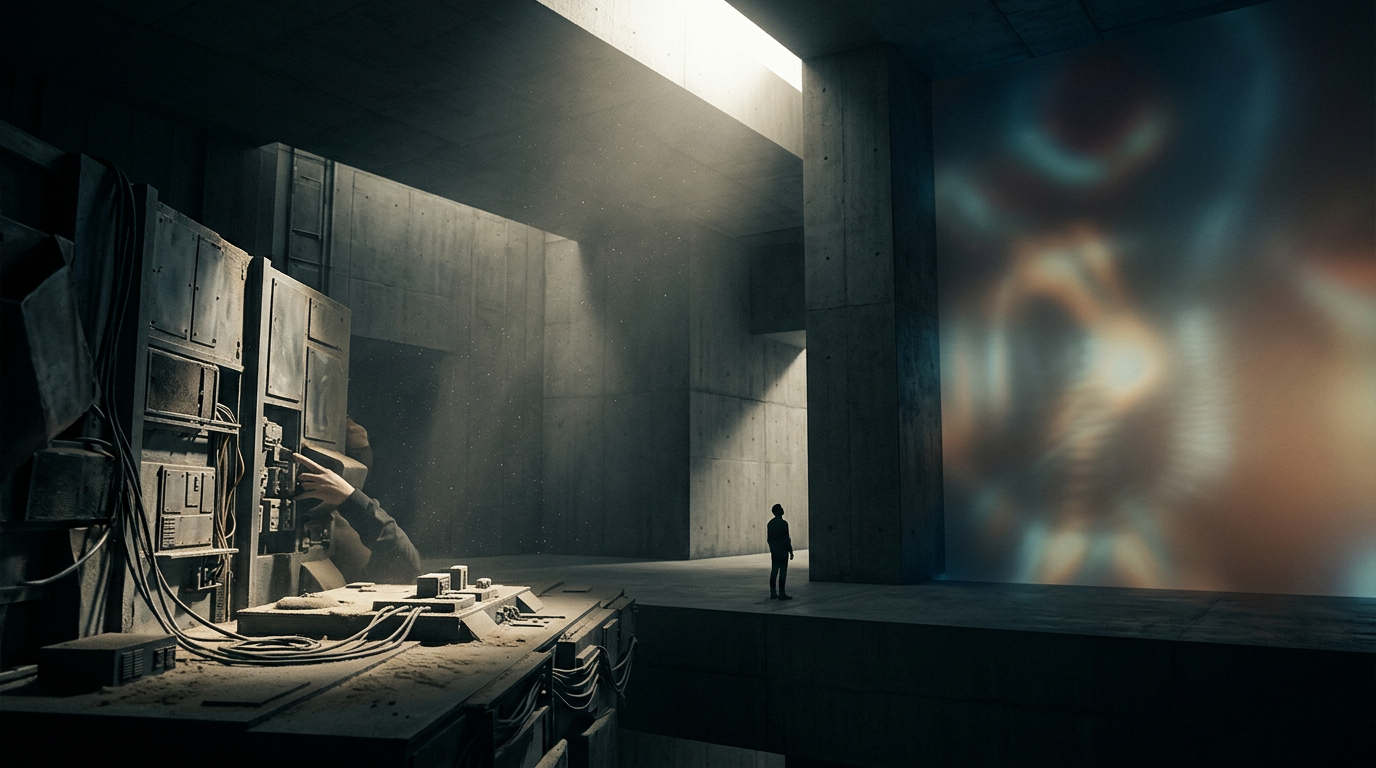
Sci-fi looks better when the machines get dirty
The practical-effects revival is real, but the winner is not rubber over pixels. Modern sci-fi looks best when CGI answers to matter, weight, and mess.
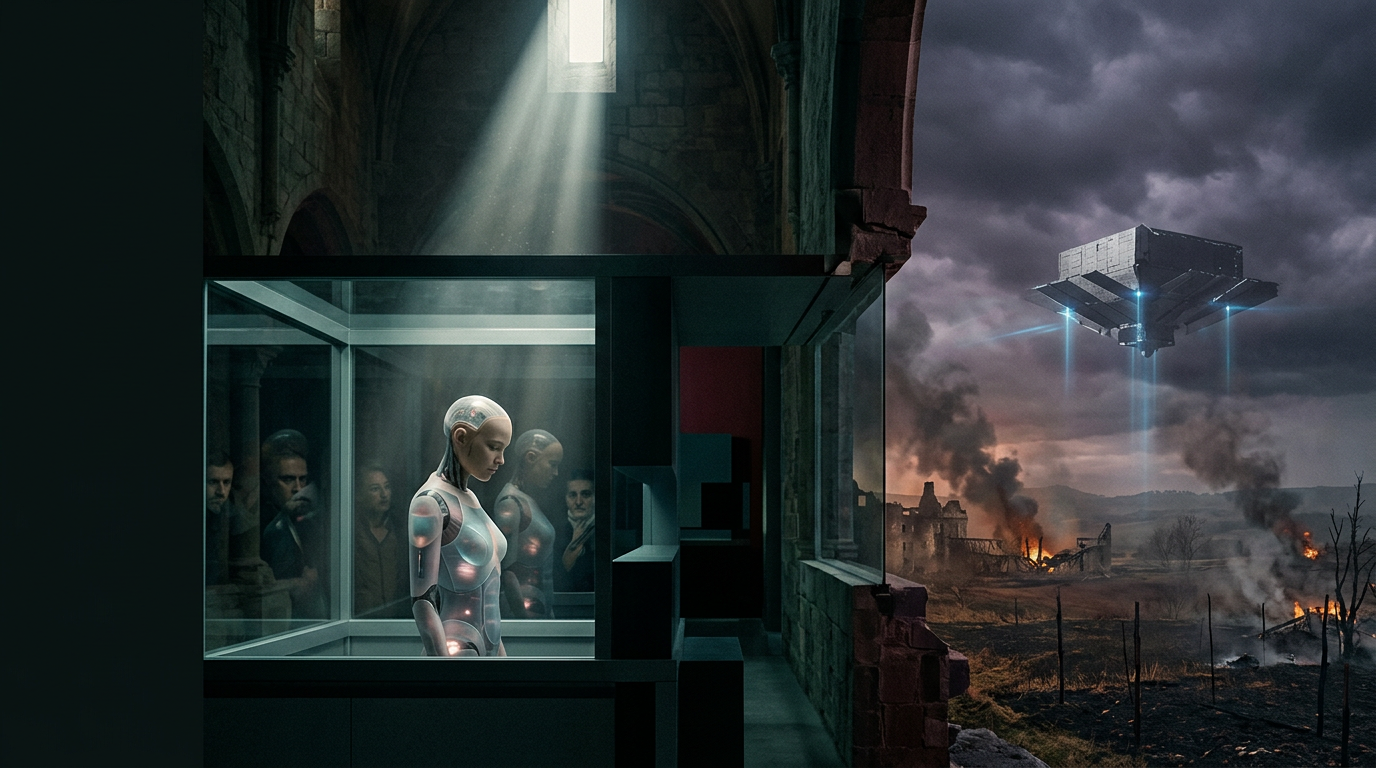
AI cinema still can’t pass Ava’s test
Ex Machina remains the sharp AI movie because it distrusts wonder. The Creator proves why most AI cinema still confuses sympathy with thought.
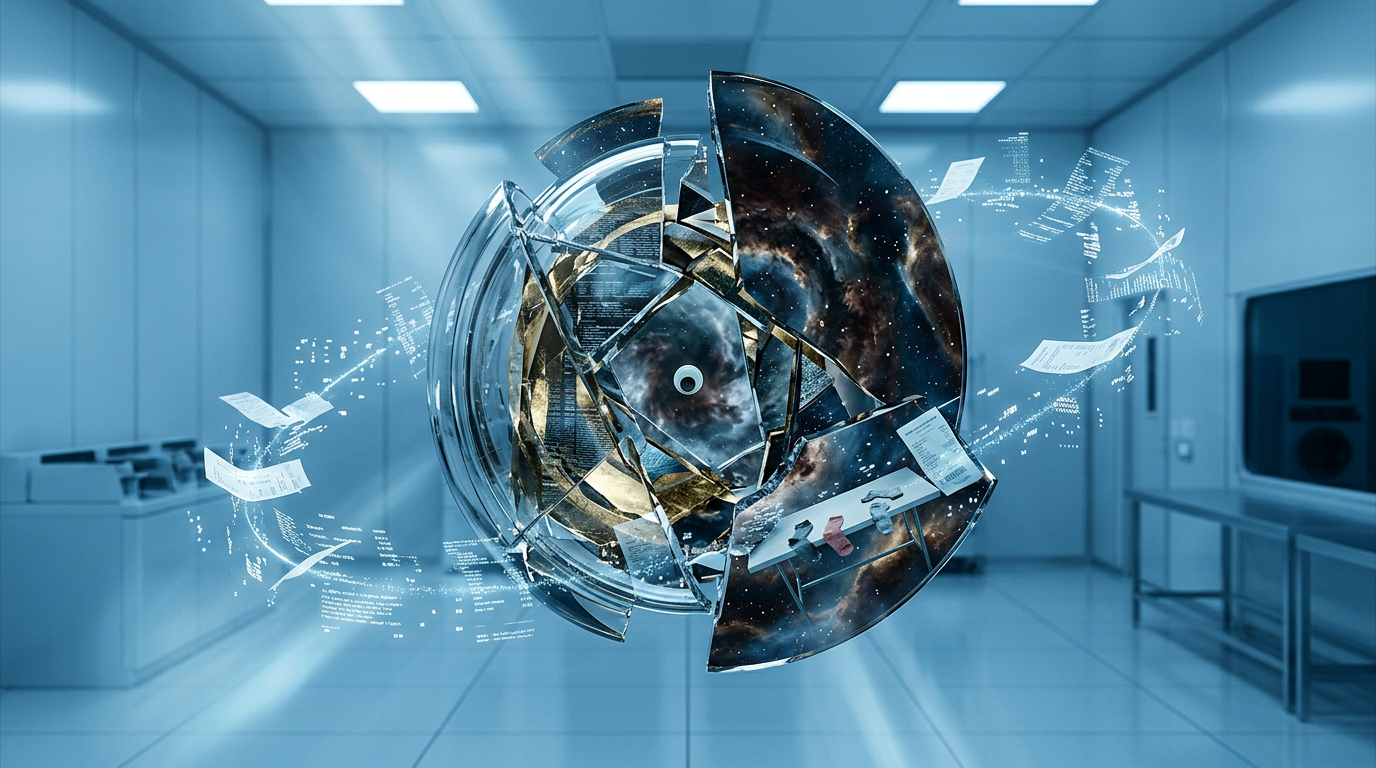
Everything Everywhere gave the multiverse a pulse
The Daniels’ A24 phenomenon still embarrasses most multiverse storytelling because its cosmic chaos starts with laundry, taxes, and regret.
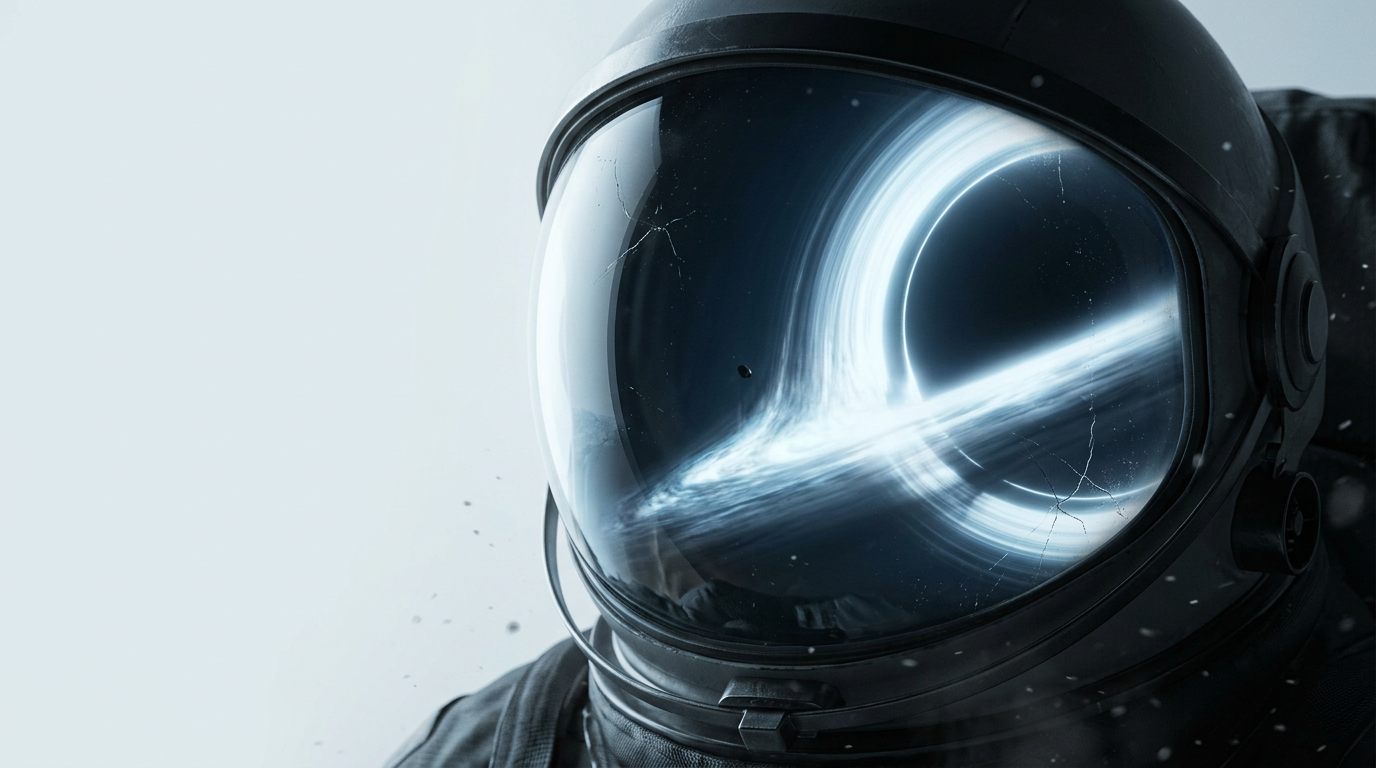
Interstellar still speaks fluent hard sci-fi
Christopher Nolan’s space epic endures because its science is not decoration. It is the film’s syntax, pressure system, and emotional trap.
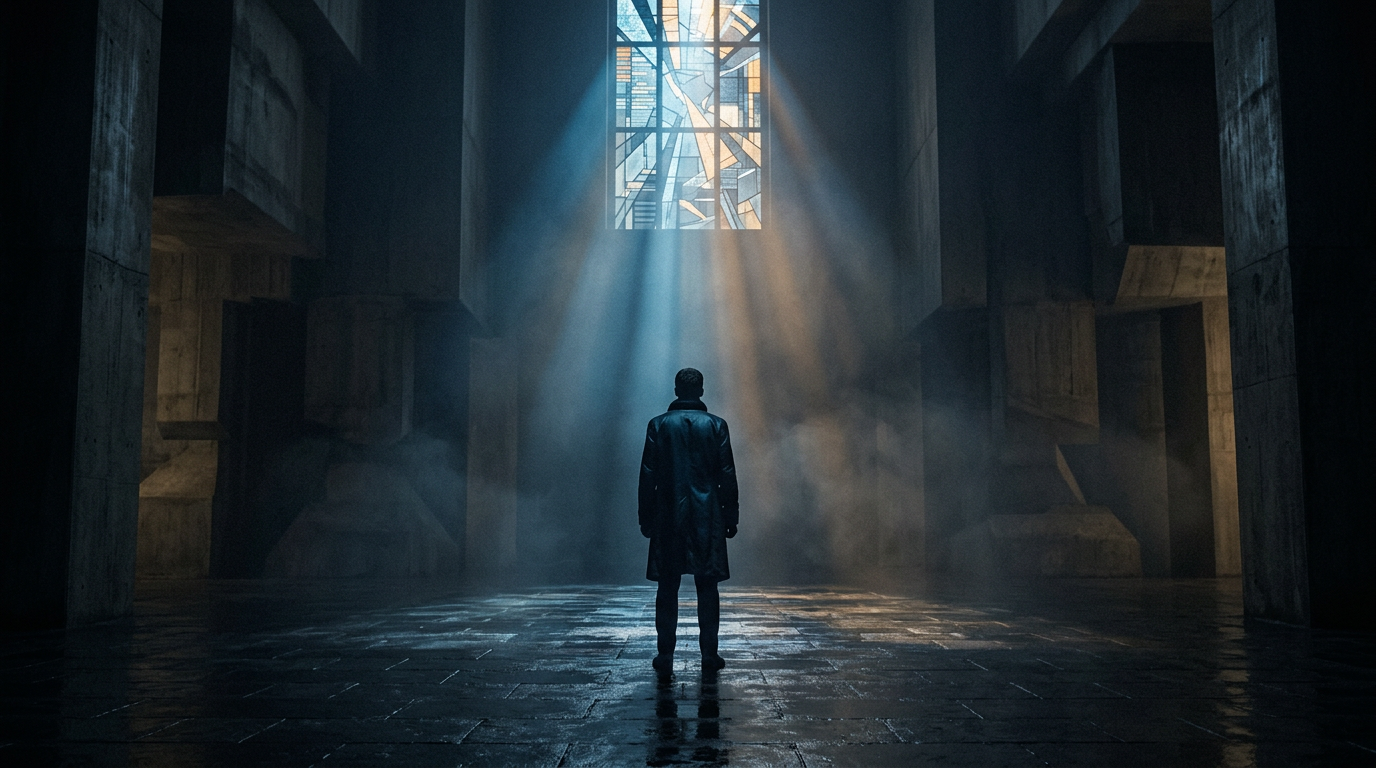
Blade Runner 2049 saw the future getting lonelier
Denis Villeneuve’s sequel has aged into a sharper film about AI intimacy, synthetic labor, climate dread, and the private misery of being watched.
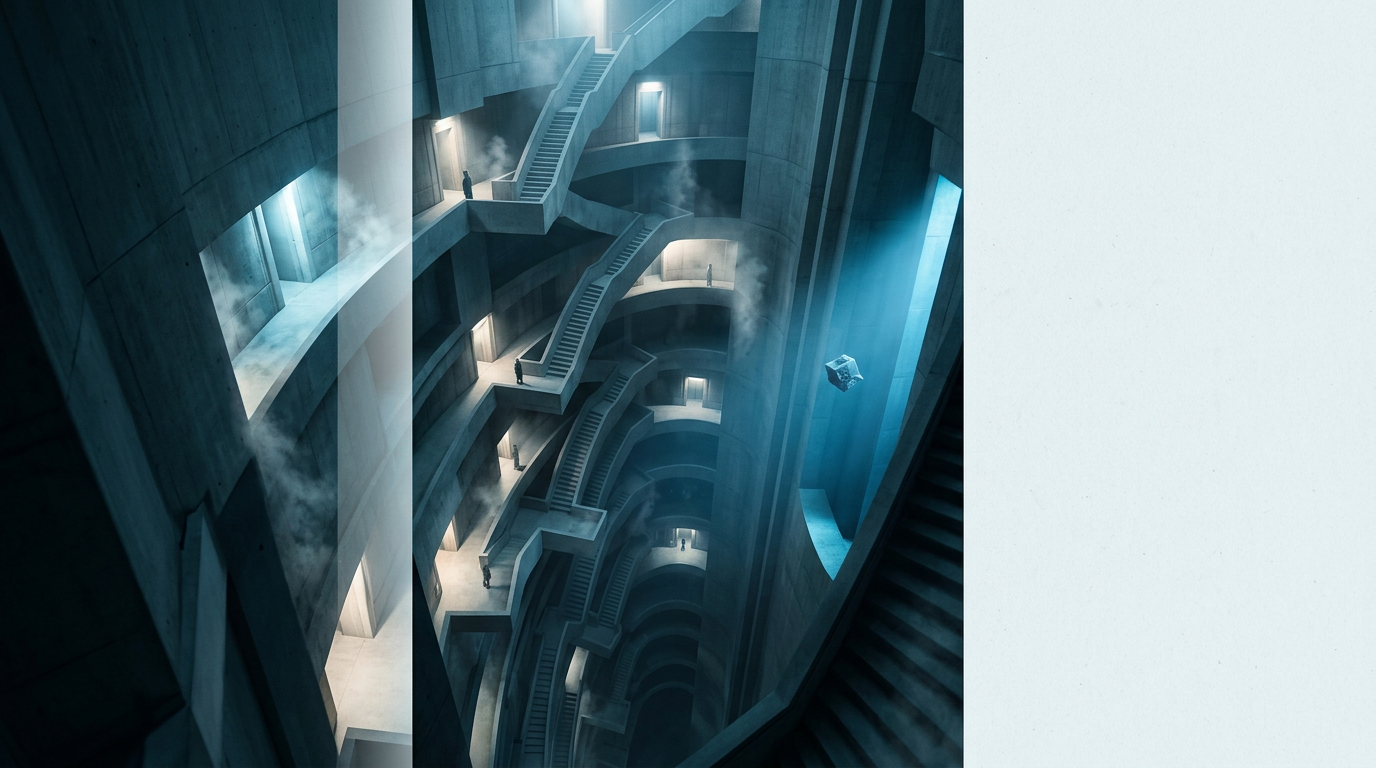
Silo makes the apocalypse climb stairs
Apple TV+’s Silo turns architecture into authority, making its buried city the most persuasive character in modern post-apocalyptic TV.
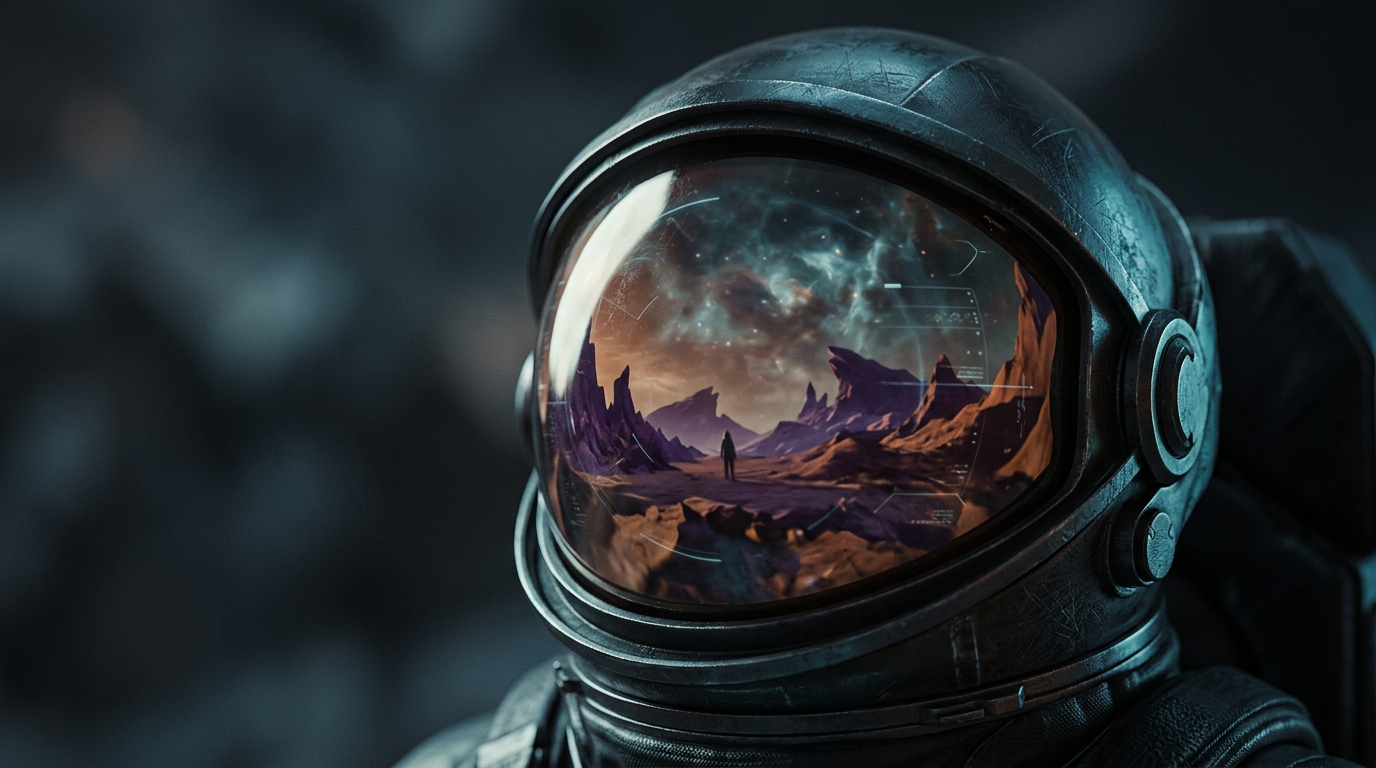
Mr. Robot knew the password was always us
A 2026 rewatch proves Mr. Robot was never great because it typed fast. It understood hacking as labor, performance, paranoia, and power.
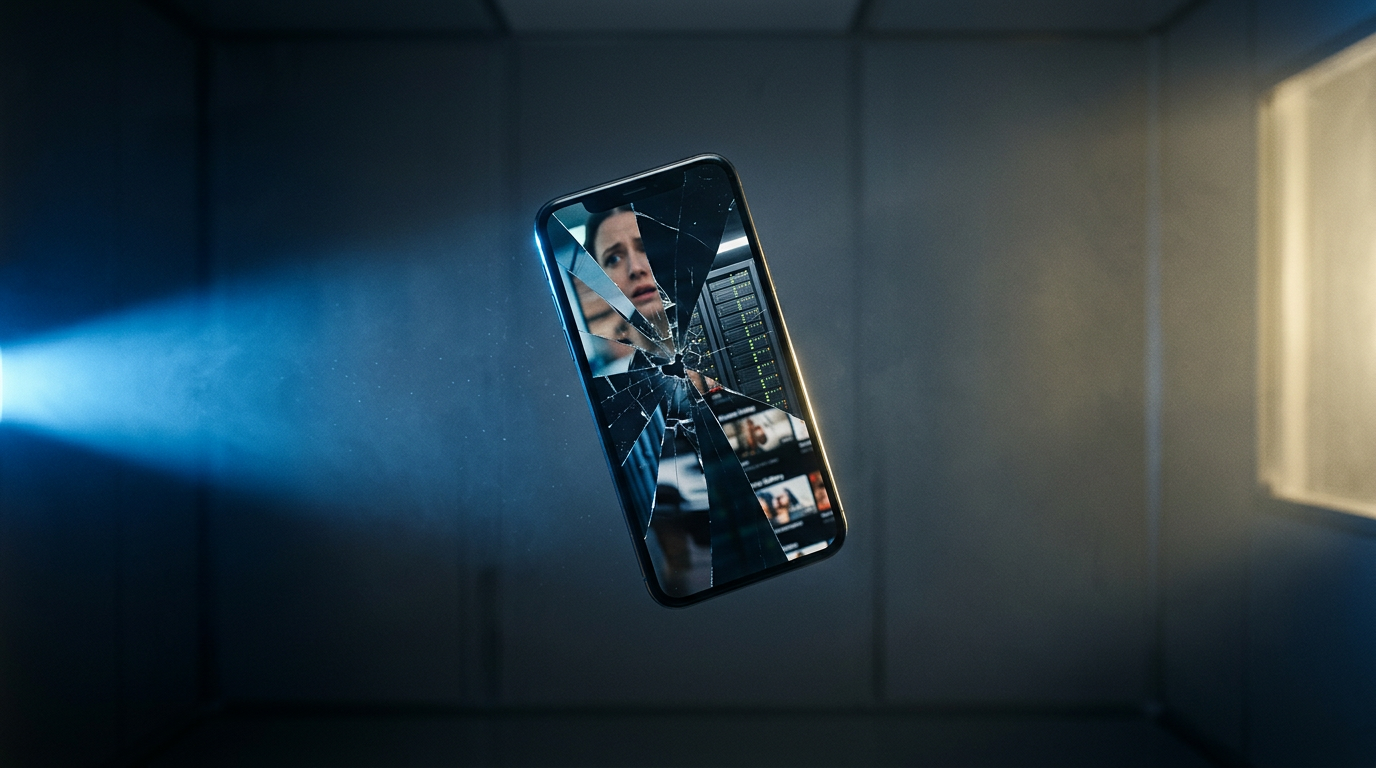
Black Mirror is no longer faster than the future
Black Mirror once felt prophetic. In 2026, its sharpest episodes stop predicting gadgets and start dissecting the platform economy already around us.
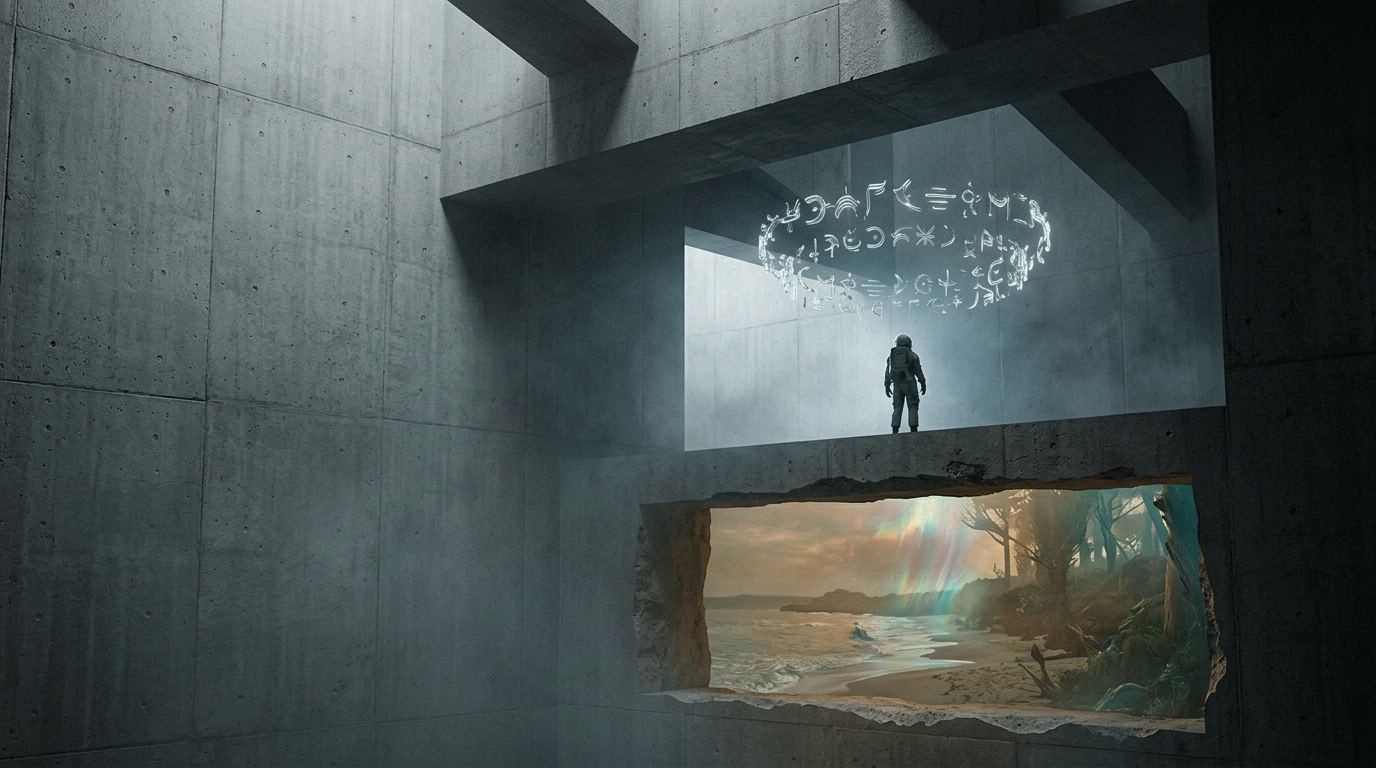
Soft sci-fi learned to whisper
Arrival and Annihilation did not save sci-fi by getting bigger. They made alien contact smaller, sadder, stranger, and far more durable for a genre drowning in scale.
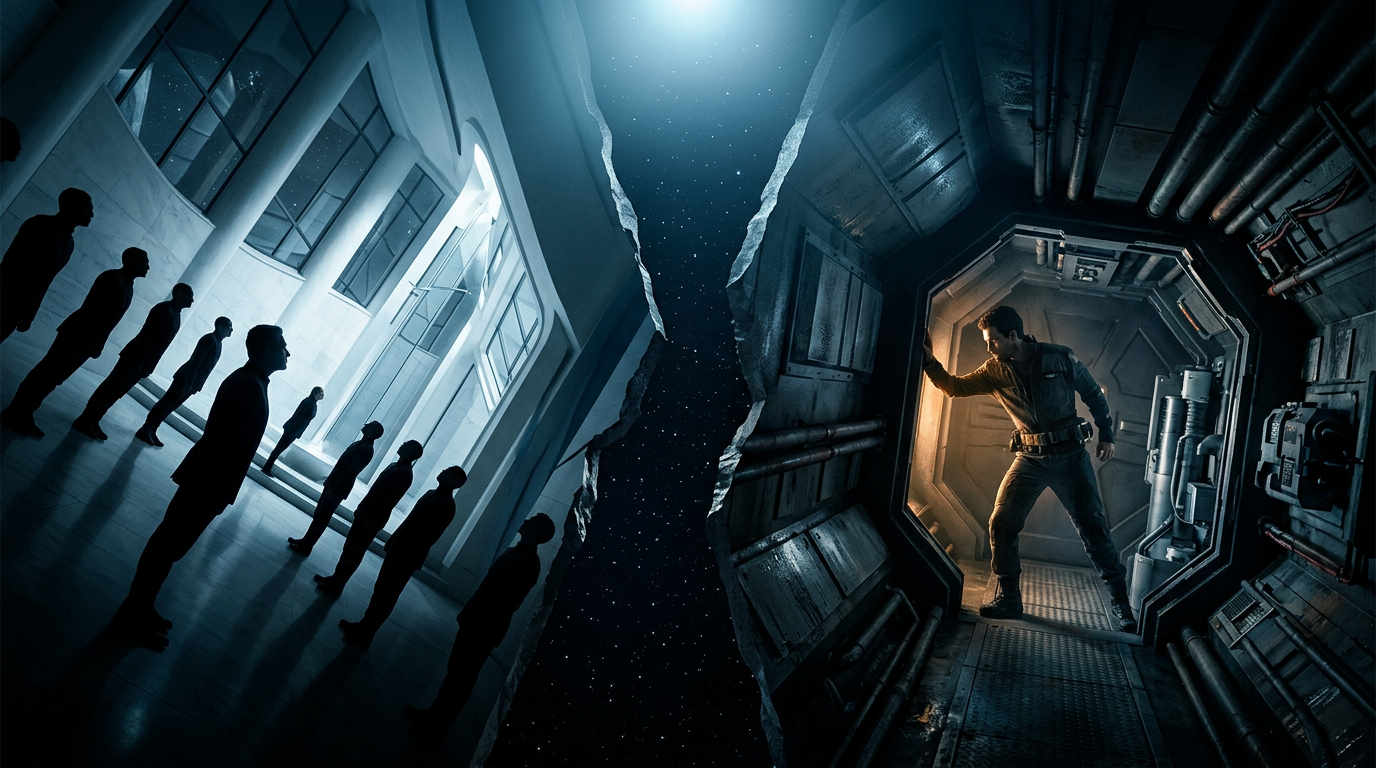
Apple has the crown, Amazon has the better show
Foundation makes prestige sci-fi look expensive. The Expanse makes it feel politically alive. The winner depends on what you want from the future.
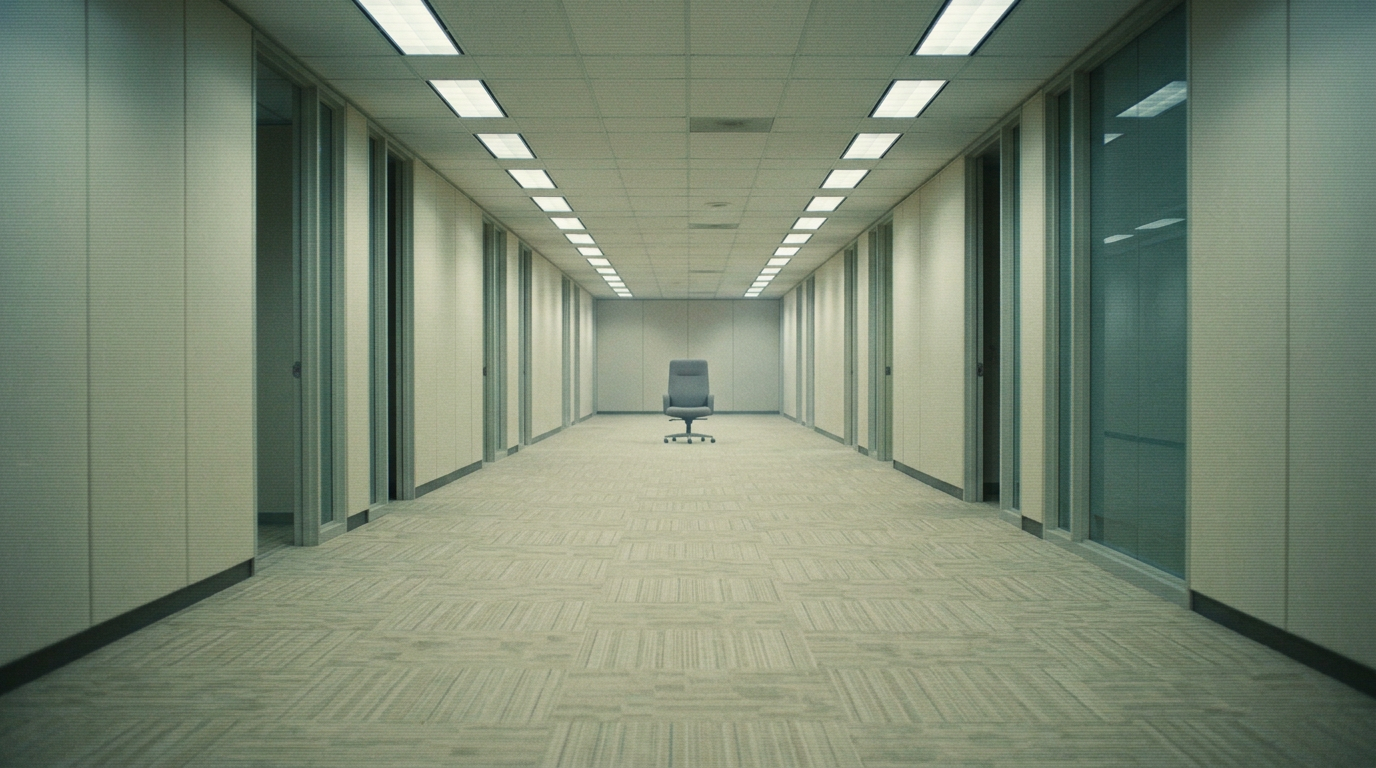
Severance turns the office into a crime scene
Apple TV+’s Severance remains the sharpest workplace nightmare on TV because its real villain is not technology. It is floor plan.
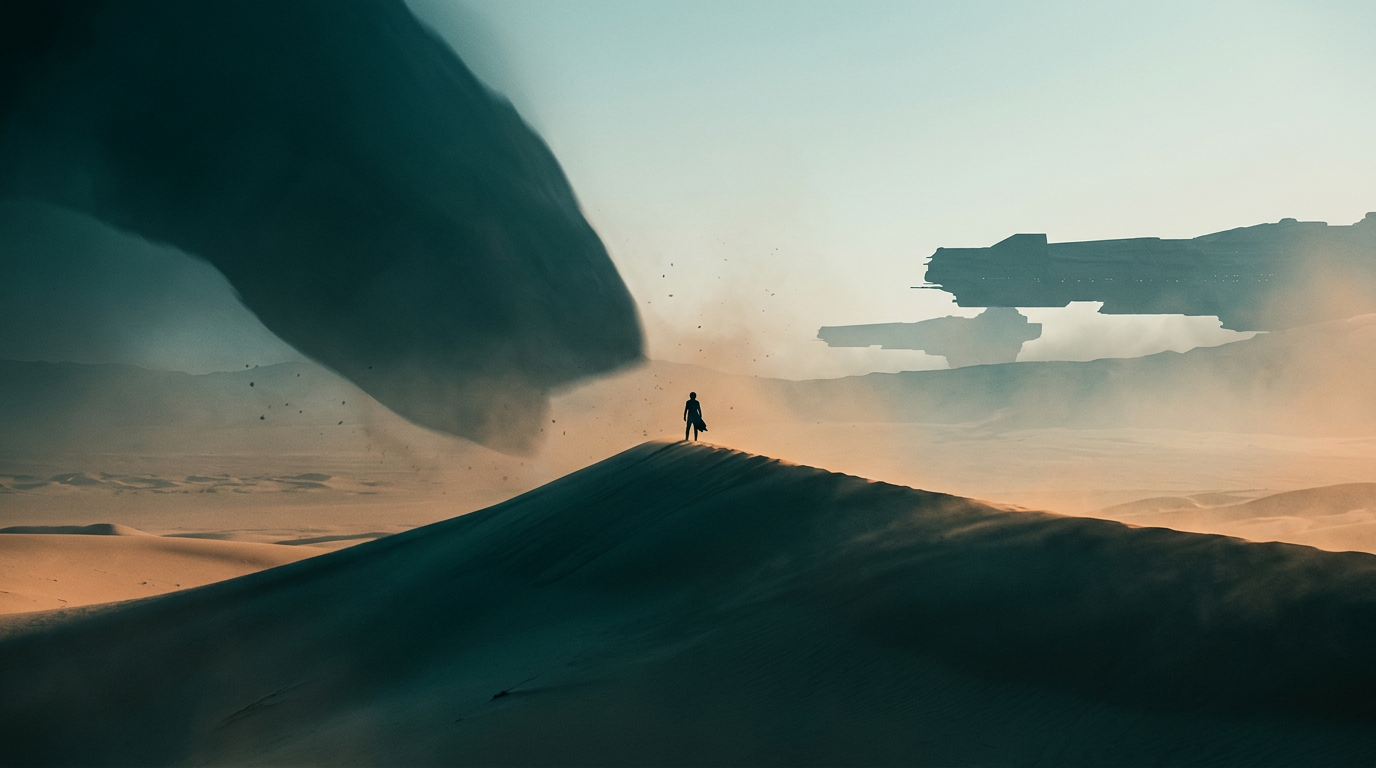
Dune made blockbuster sci-fi grow up again
Villeneuve’s Dune turned franchise sci-fi into an argument about power, belief, and scale. That is why the decade keeps borrowing its grammar.
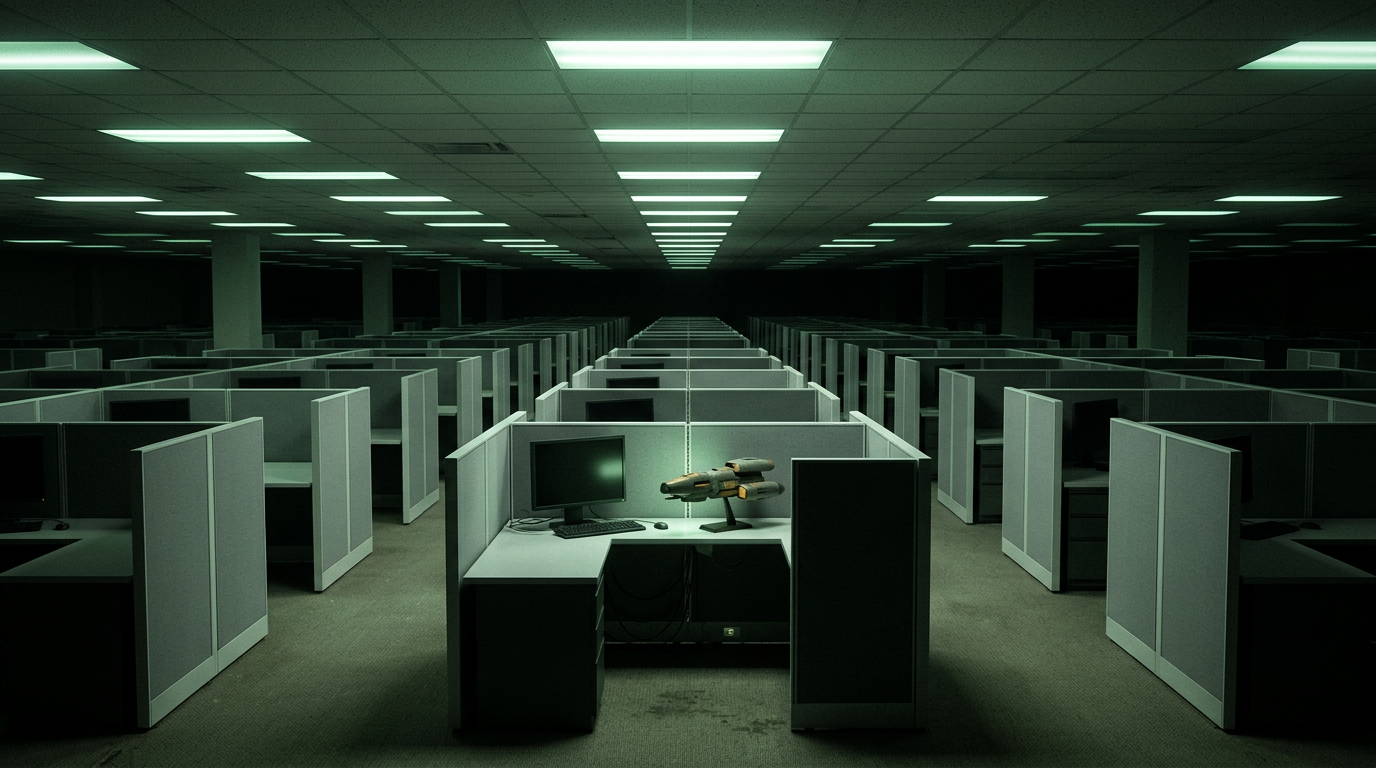
Mid-budget sci-fi is making a bruised comeback
Original sci-fi is returning between franchise spectacle and microbudget dread, but theaters and streamers are teaching it very different habits.
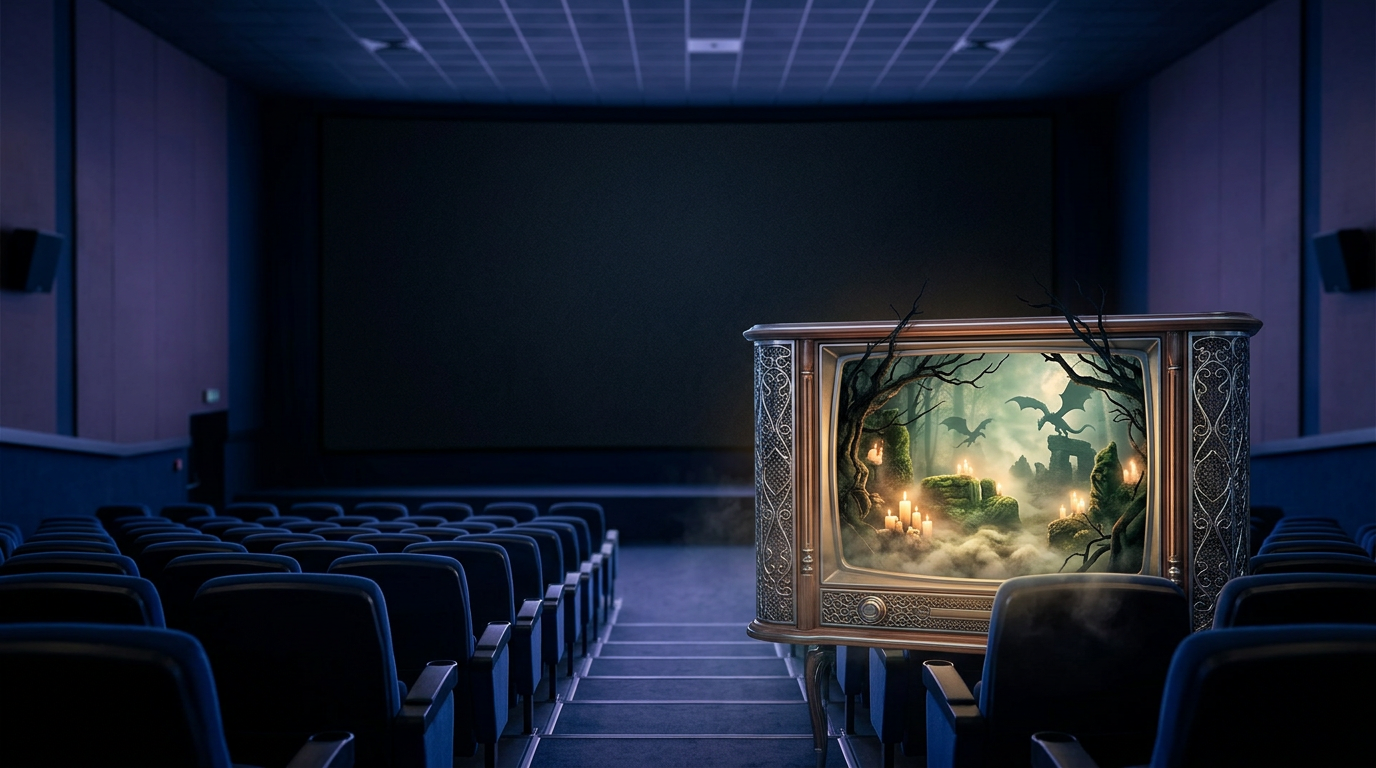
Fantasy found its nerve on television
Theater screens still do dragons and witches. Television is where modern fantasy has learned patience, politics, ritual, and the courage to be strange.
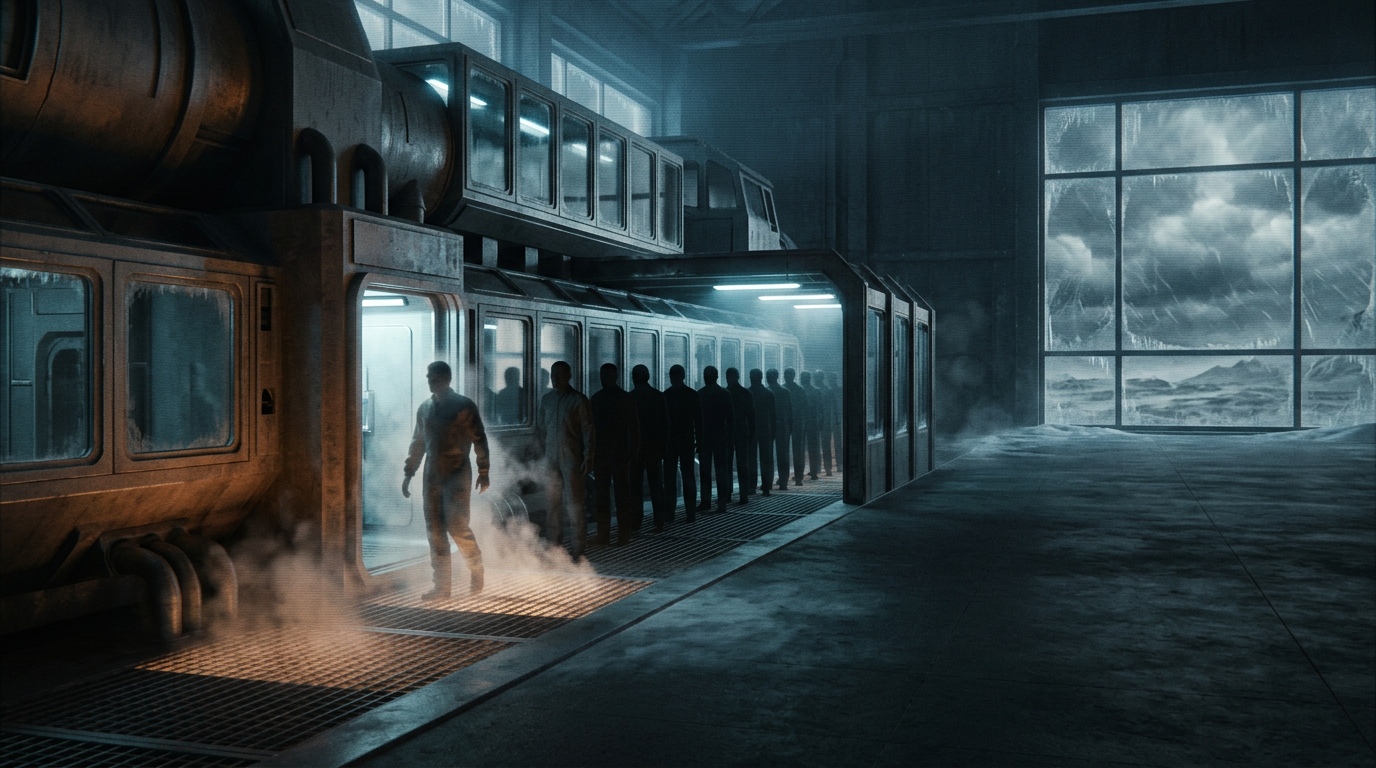
Bong Joon-ho keeps finding bodies in the machine
From Snowpiercer to Mickey 17, Bong Joon-ho turns sci-fi into a class x-ray: funny, brutal, and increasingly obsessed with disposable bodies.
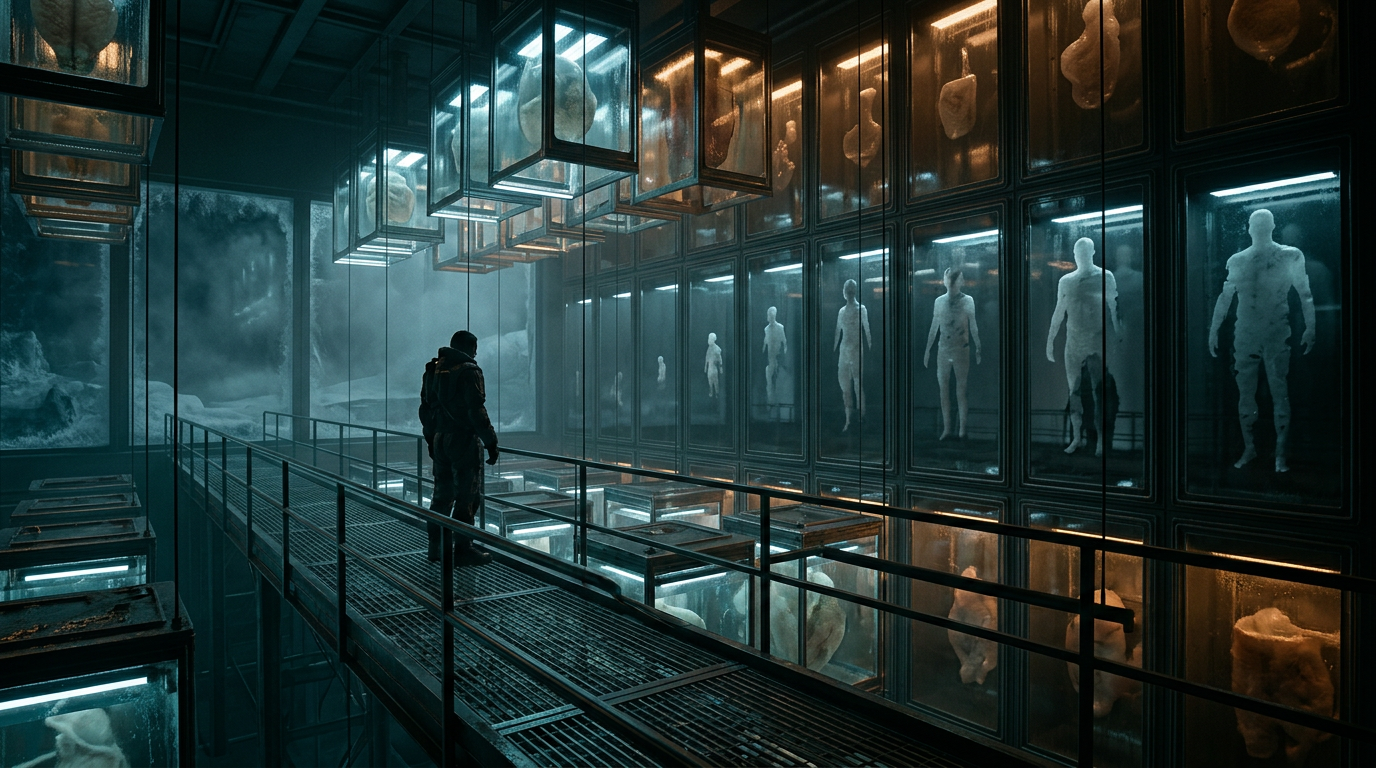
Mickey 17 makes immortality look like factory work
Bong Joon Ho turns cloning into workplace comedy, colonial nightmare, and gross-out moral test. Mickey 17 is uneven, but its flesh has teeth.
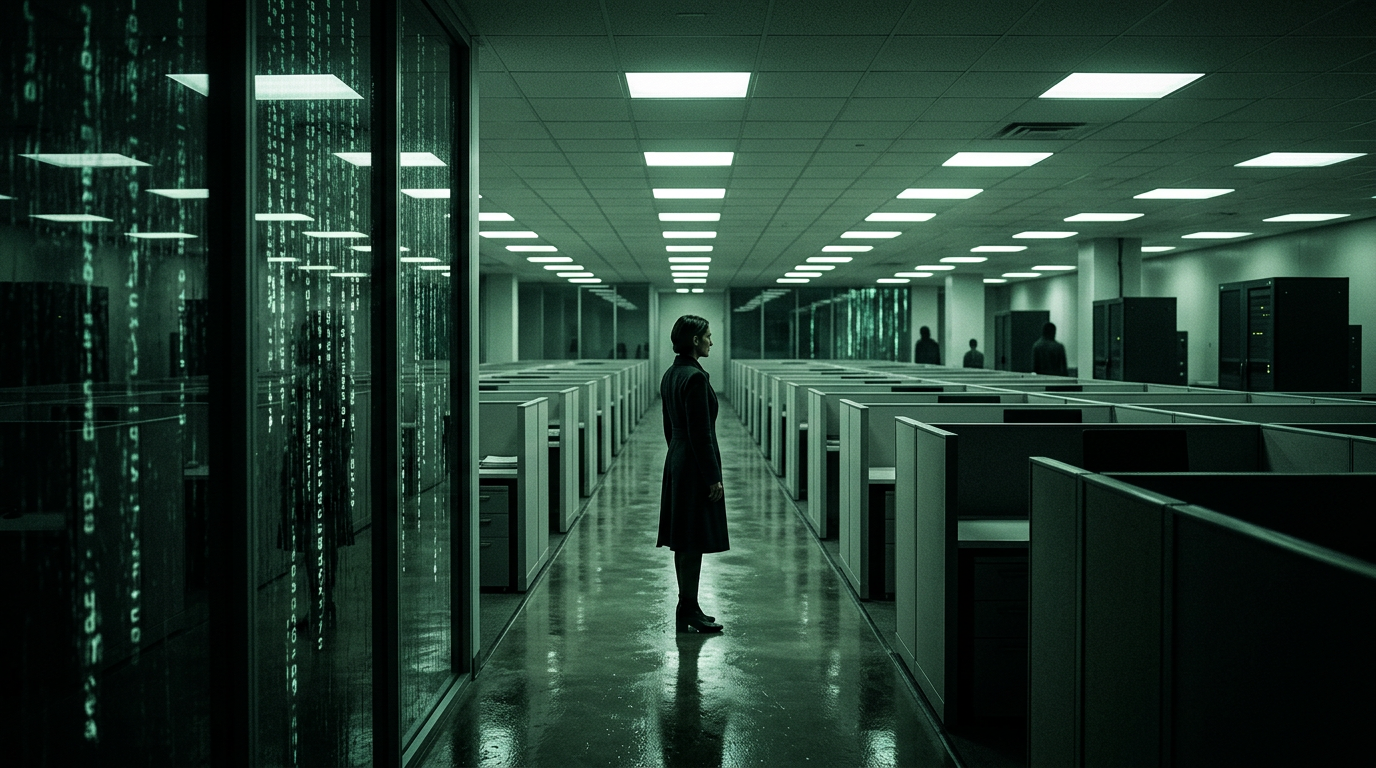
The Matrix was always about prompt engineering
At 27, The Matrix trilogy looks less like a VR prophecy than a brutal comedy about language, belief, agents, and systems that generate reality on demand.
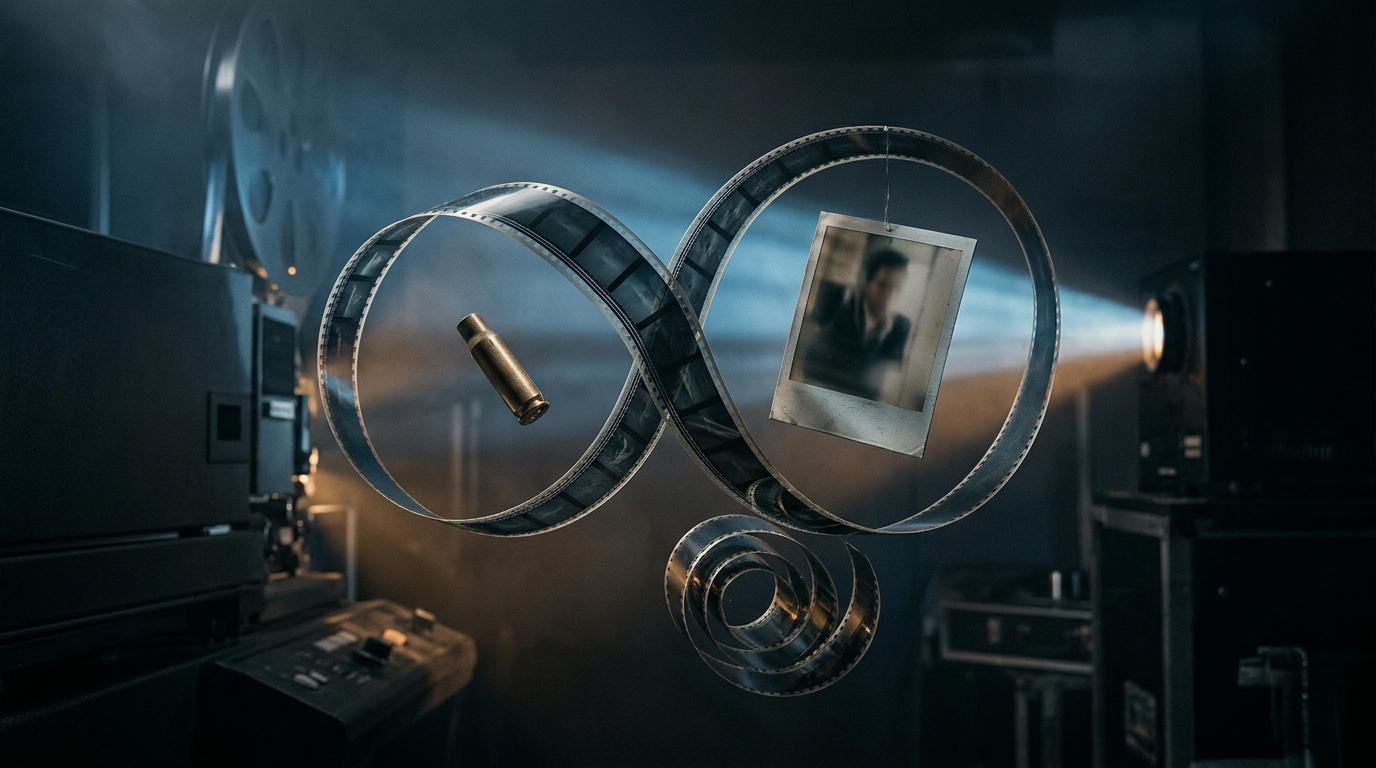
Nolan makes time behave like guilt
From Memento to Tenet, Christopher Nolan turns chronology into pressure: a cinema of memory, consequence, and elegant structural cruelty.
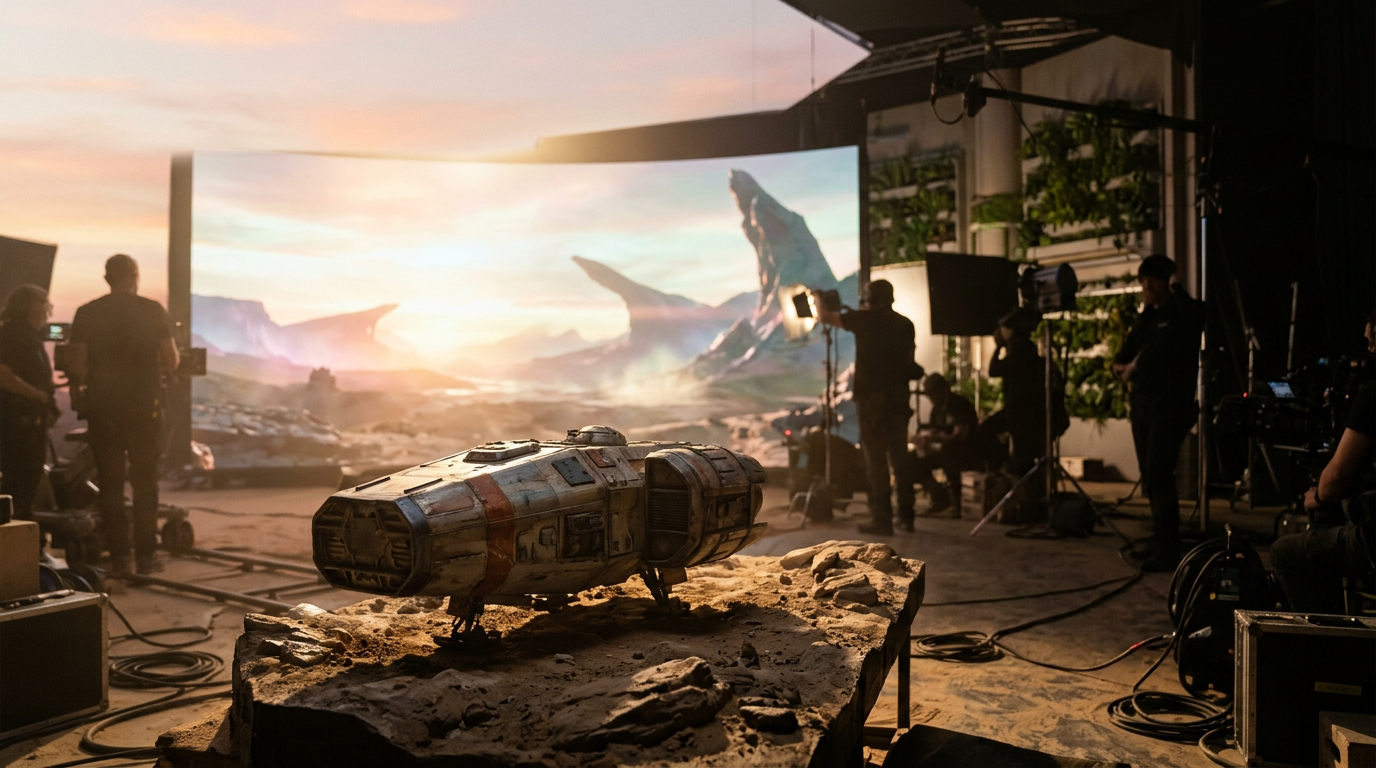
The best sci-fi still leaves fingerprints
The effects war is less rubber vs pixels than trust vs weightlessness. Modern sci-fi wins when CGI has something physical to answer to.
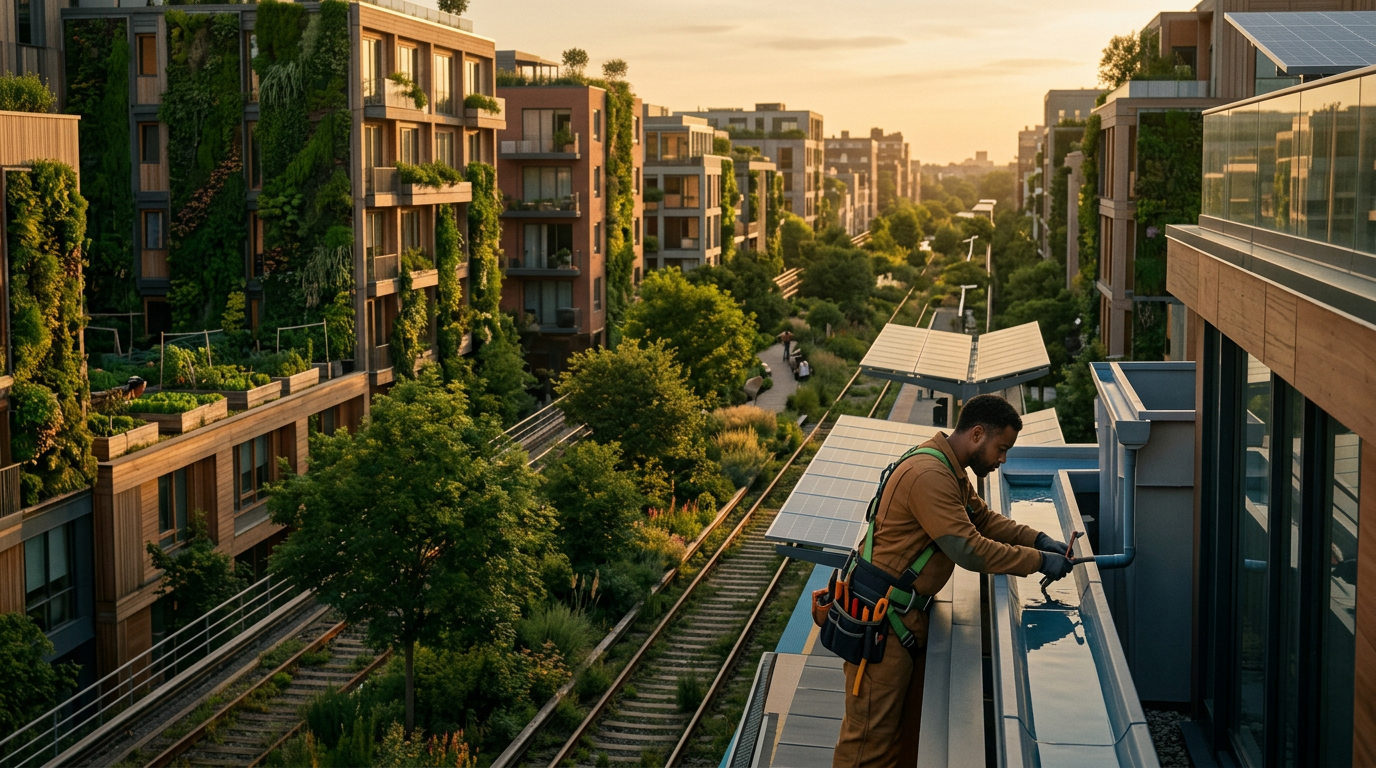
Hollywood still fears a livable future
Solarpunk cinema promises futures built on repair, not ruin. So why does Hollywood keep treating hope like bad drama?
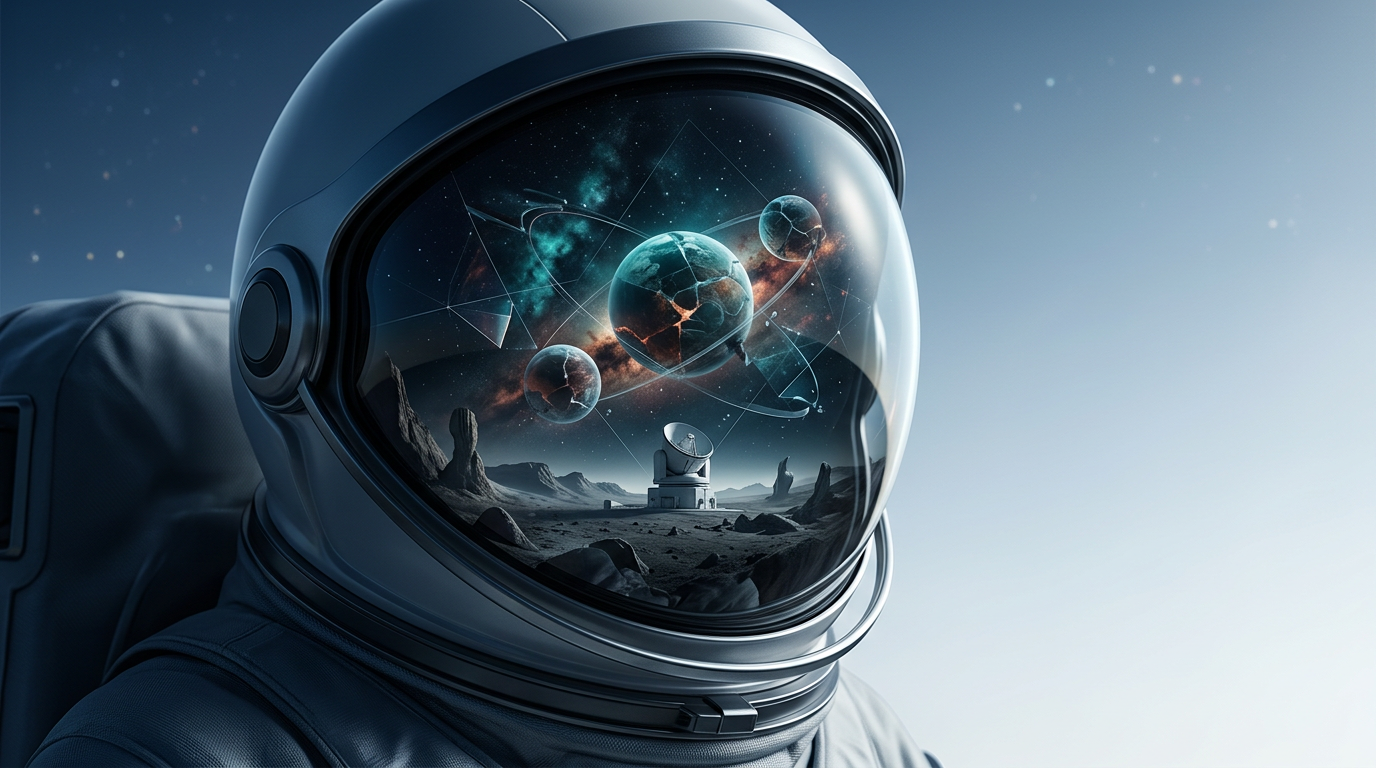
Three-Body is too strange for one adaptation
Liu Cixin’s cosmic nightmare becomes three different beasts on the page, at Netflix, and in Tencent’s slower, stranger Chinese series.
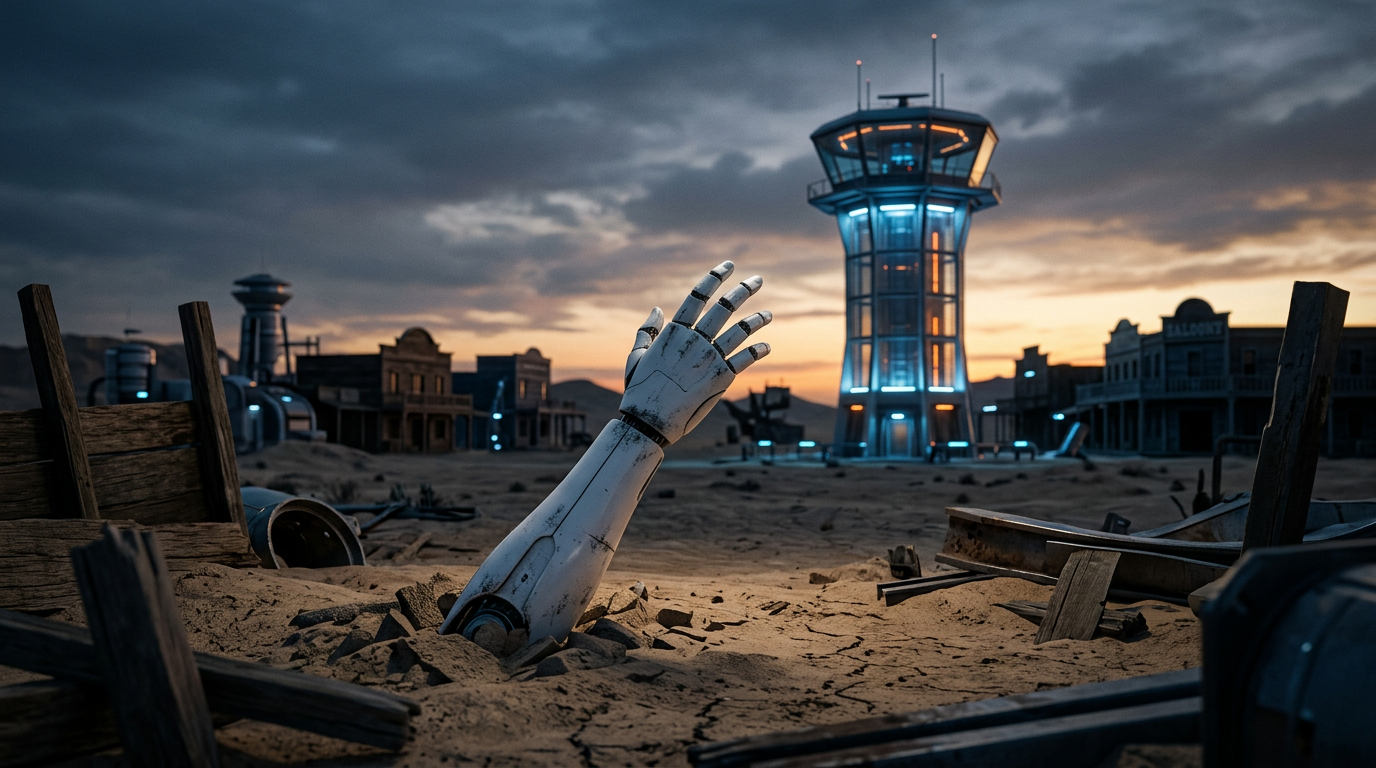
Westworld was brilliant before it outsmarted itself
HBO’s android epic still has one perfect season, one underrated maze, and two cautionary tales about mistaking complexity for depth.
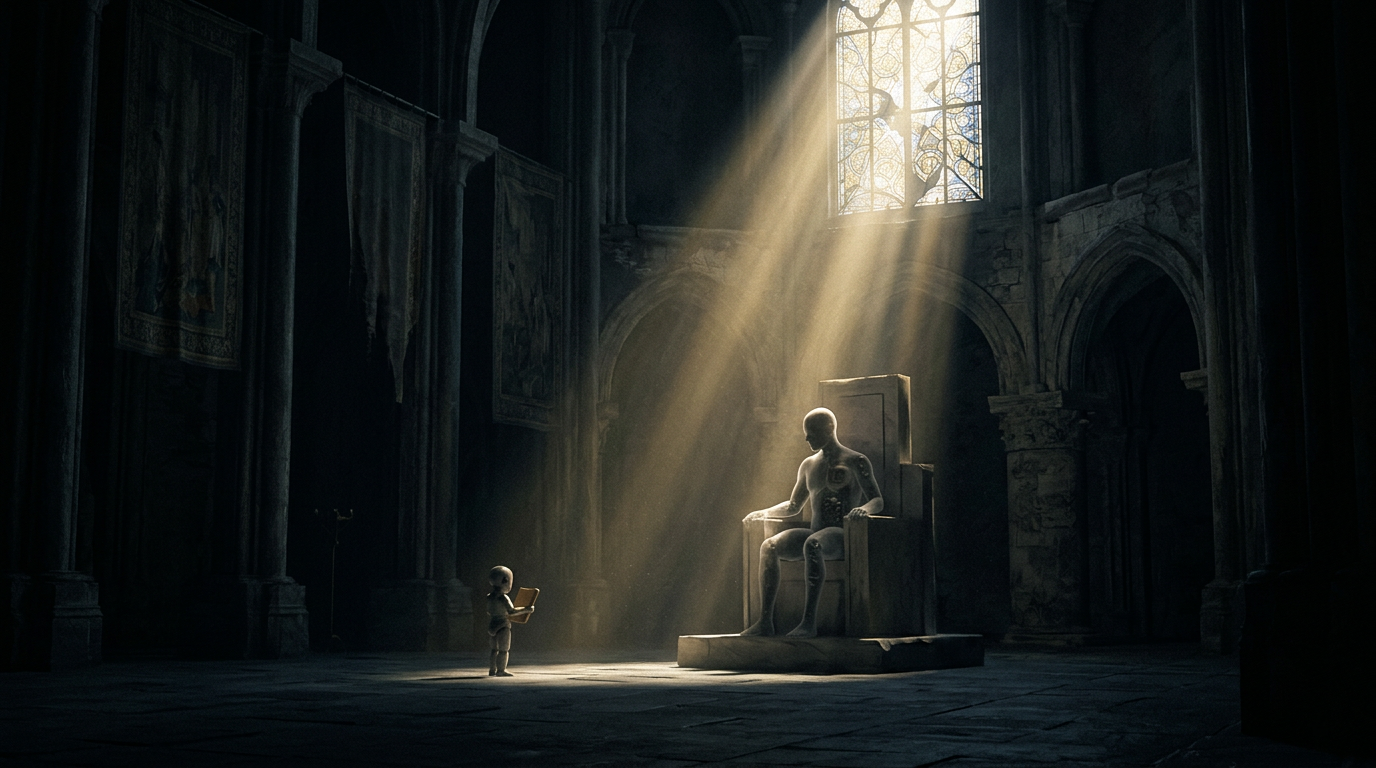
AI cinema keeps confusing wonder with thought
Ex Machina still understands what The Creator only decorates: AI stories work when they are about power, not just beautiful machines with feelings.
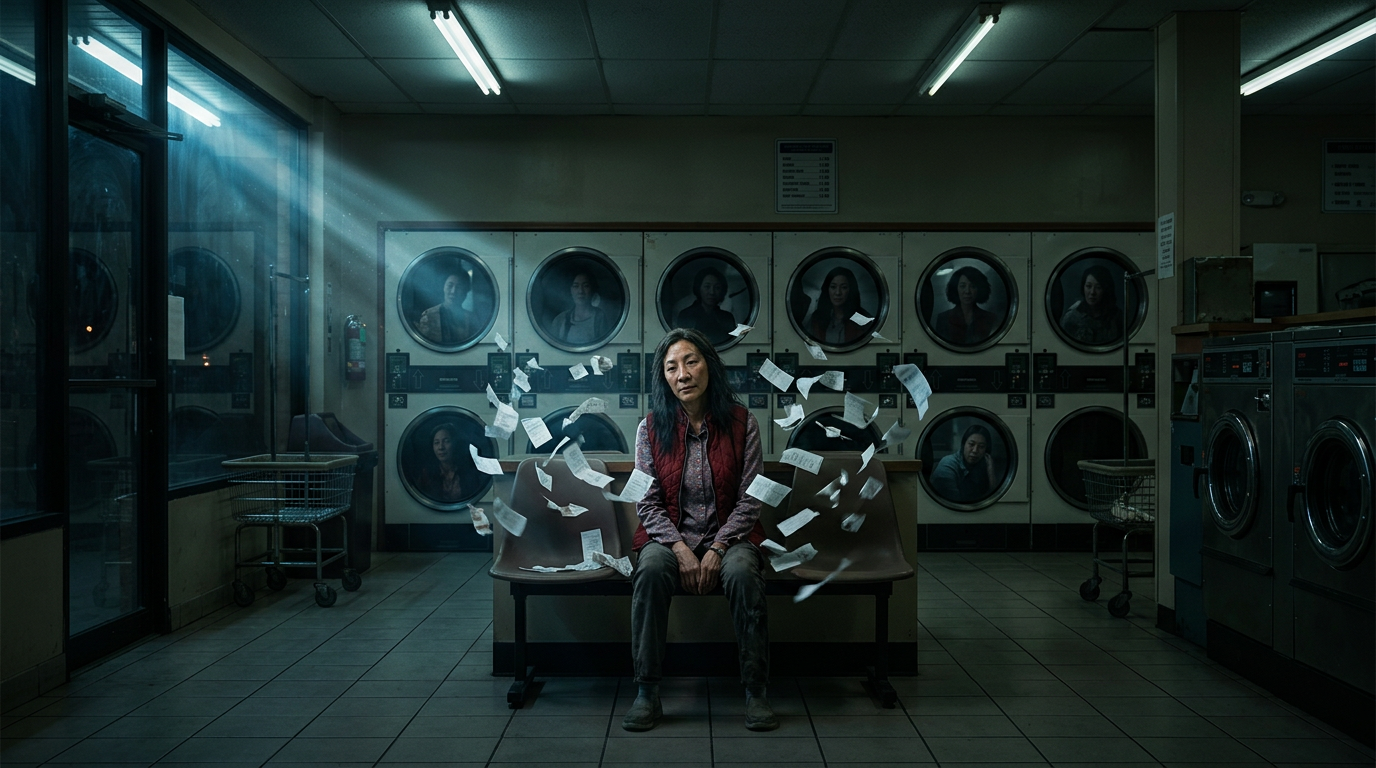
The multiverse works when it hurts
Everything Everywhere All at Once still beats the franchise multiverse because its cosmic chaos is anchored to taxes, regret, and a family dinner.
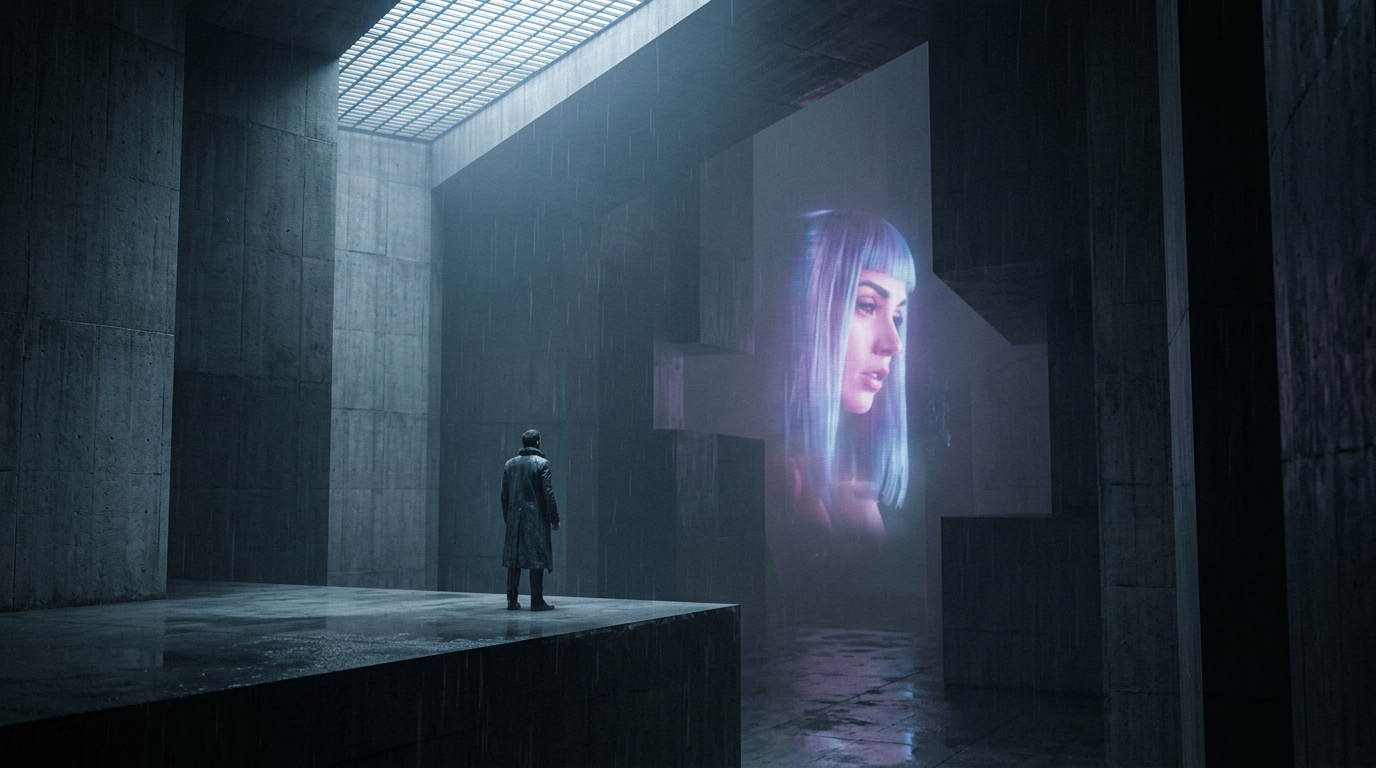
Blade Runner 2049 has outlived the future
Denis Villeneuve’s sequel looked like a monument in 2017. In 2026, it looks like a weather report for loneliness, AI intimacy, and dying cities.
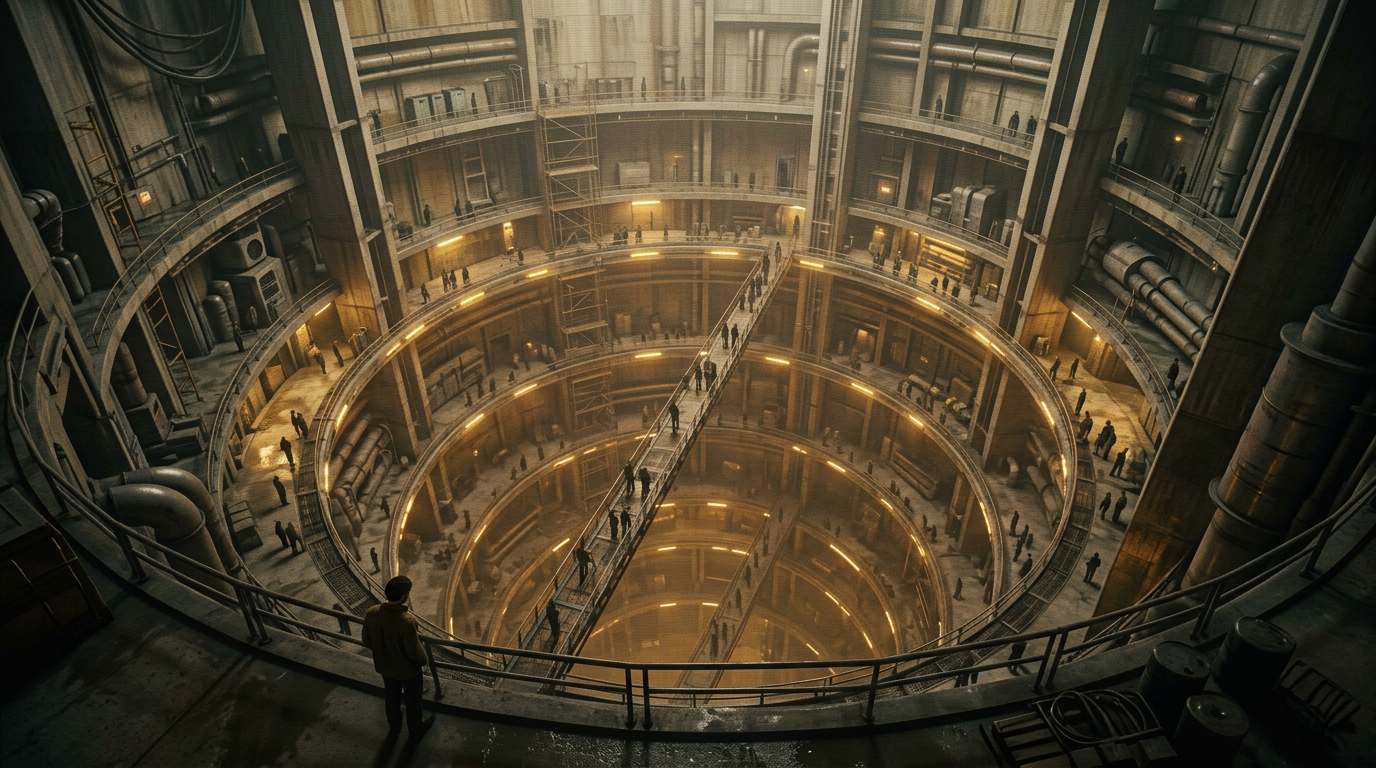
Silo turns apocalypse into architecture
Apple TV+’s Silo works because its underground city is not a backdrop but a body: wounded, policed, class-stratified, and always listening.
Devs makes the universe look guilty
Alex Garland’s Devs remains the sharpest screen argument about simulation theory because it treats certainty as a horror show, not a puzzle box.